

- 2024-08-29
Discover the Beauty of Yonaha Maehama Beach in Miyako Island
Did you know that Miyako Island is home to one of the most b……
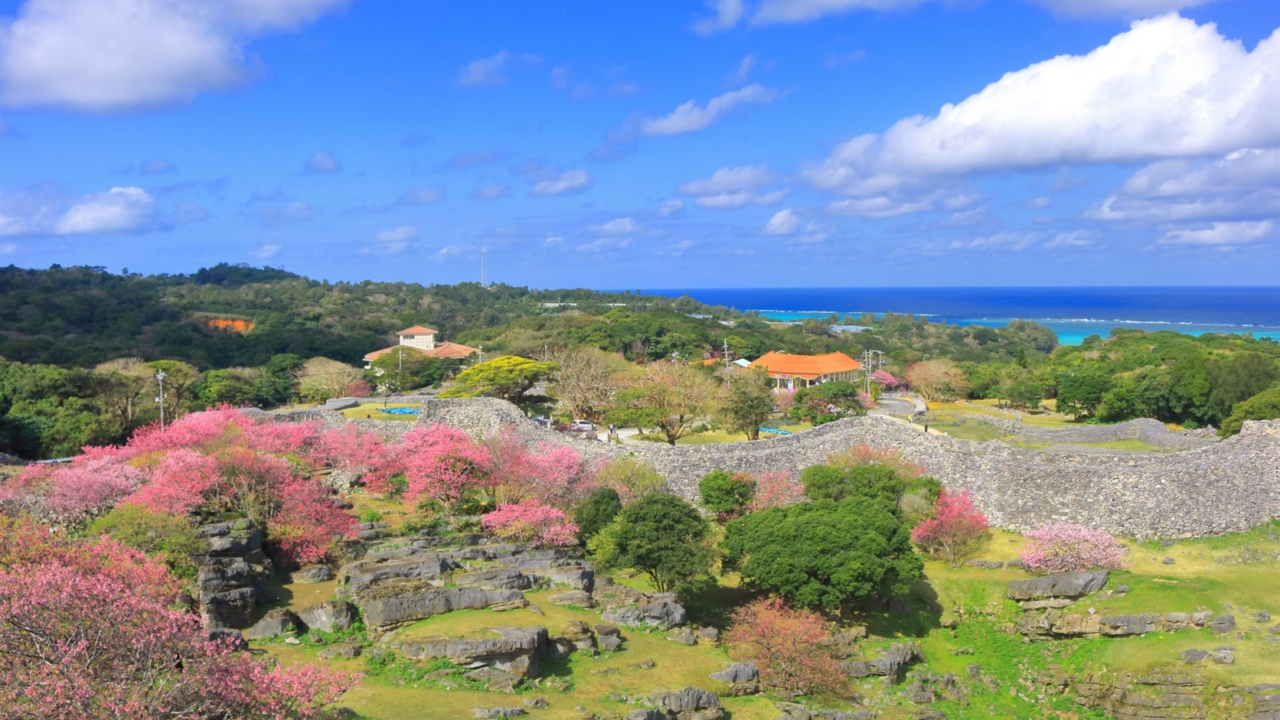
Okinawa (沖縄) in winter is warm by Japanese standards and cool by tropical ones, which confuses people planning a December or January trip. You will not be swimming the way you would in July, but you will be watching humpback whales, walking under cherry blossom in January, and seeing the main sights without the summer crowds.
This guide sets out what the temperatures actually are, what runs only in winter, what shuts down, and how to plan the days so the weather works for you rather than against you.
| Season | December to February, the coolest and driest stretch of the year |
| Naha temperatures | Average 19.0°C in December, 17.3°C in January, 17.5°C in February |
| Daytime highs | About 20–21.5°C; nights around 15–17°C |
| Whale watching | Humpbacks gather around the Kerama islands from January to early April |
| Cherry blossom | Japan’s earliest, in the north of the main island; the Motobu Yaedake festival has run mid-January to early February |
| Swimming | Managed beaches post their own swimming season; hotel pools are the reliable option in winter |
| Crowds | Lowest of the year outside the New Year holiday |
| Official sources | Japan Meteorological Agency, Zamami Village |
The official normals for Naha put the average temperature at 19.0°C in December, 17.3°C in January and 17.5°C in February. Daily highs sit between about 19.8°C and 21.5°C, and nights fall to roughly 15°C.
In practice that means a light jacket, long sleeves in the evening, and swimwear only if your hotel has a heated pool. It also means the humidity that makes an Okinawan summer hard work has gone, so walking around Shuri or the northern coast is more comfortable in January than in August.
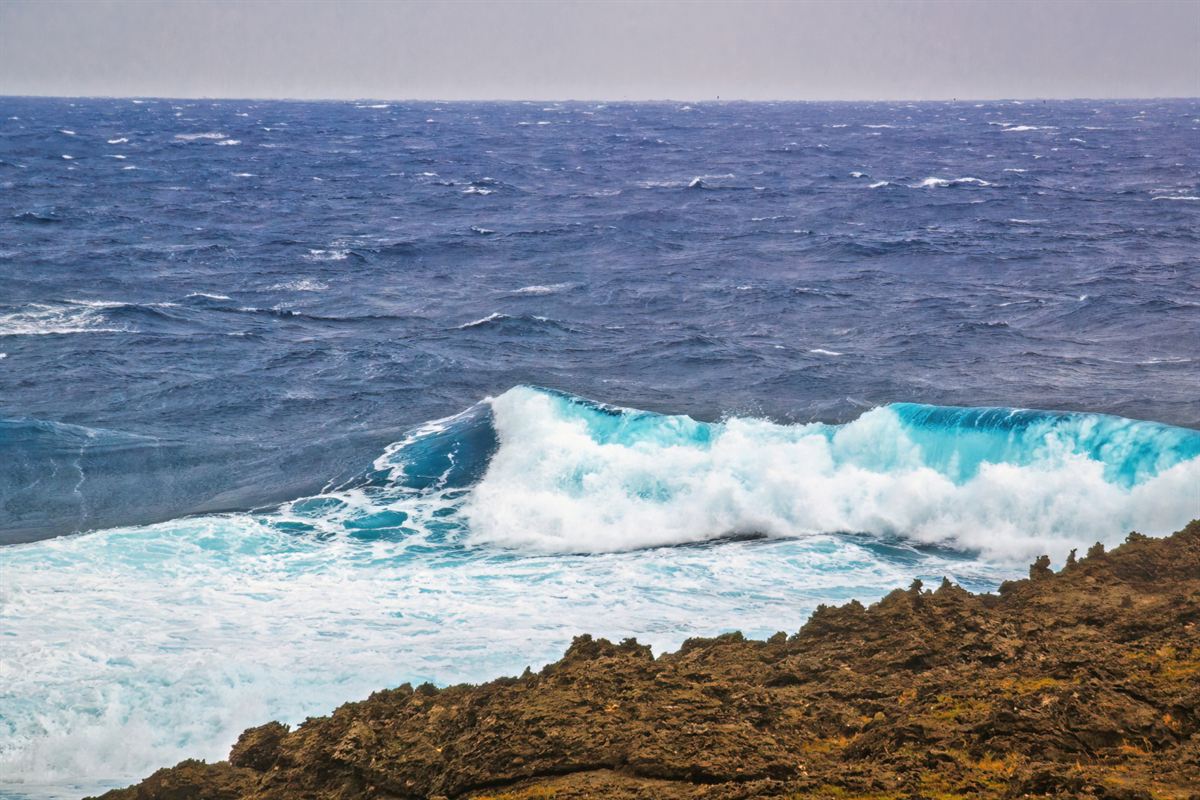
The wind matters more than the temperature. Winter brings the northerly monsoon, and on blowy days the sea gets rough enough to cancel ferries and small-boat tours. Build a spare day into any island plan.
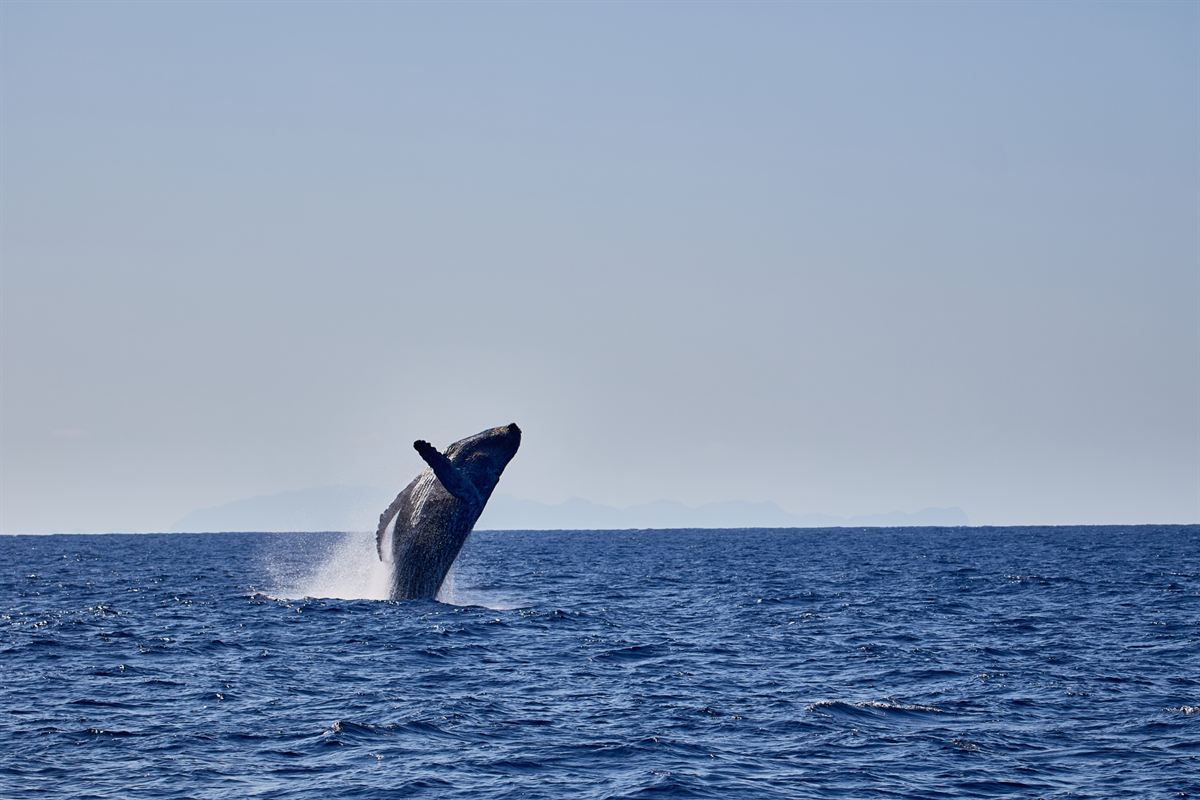
Humpback whales come to the waters around the Kerama islands(慶良間諸島)to breed, and Zamami Village states that the season runs from January to early April, with the exact timing shifting from year to year.
Tours leave from Zamami itself and from Naha, and the Zamami operators work under a village whale-watching association that sets rules for approaching the animals. Two practical points: book ahead for weekends in February, the peak of the season, and accept that the boat may not run at all if the sea is up. Nothing about whale watching is guaranteed, which is why operators publish sighting rates rather than promises.
If you are prone to seasickness, take the tablets before boarding rather than after. Winter swell in the East China Sea is not gentle.
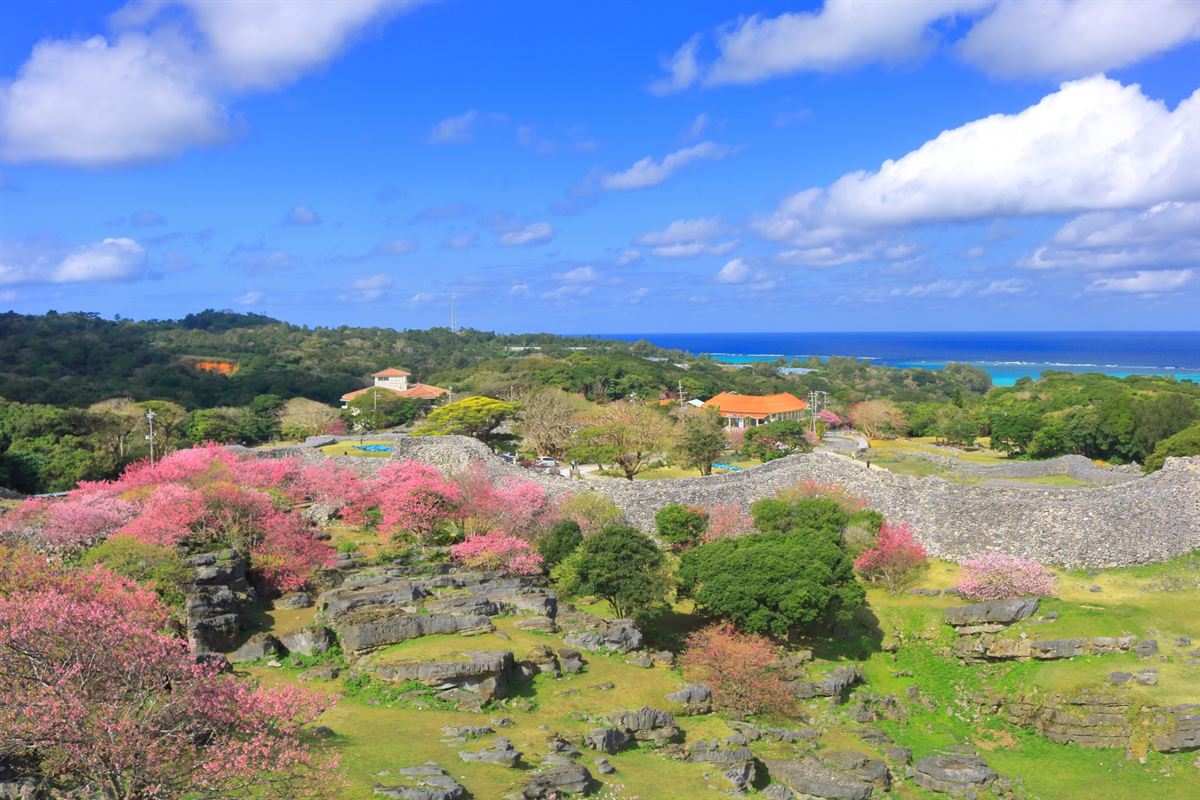
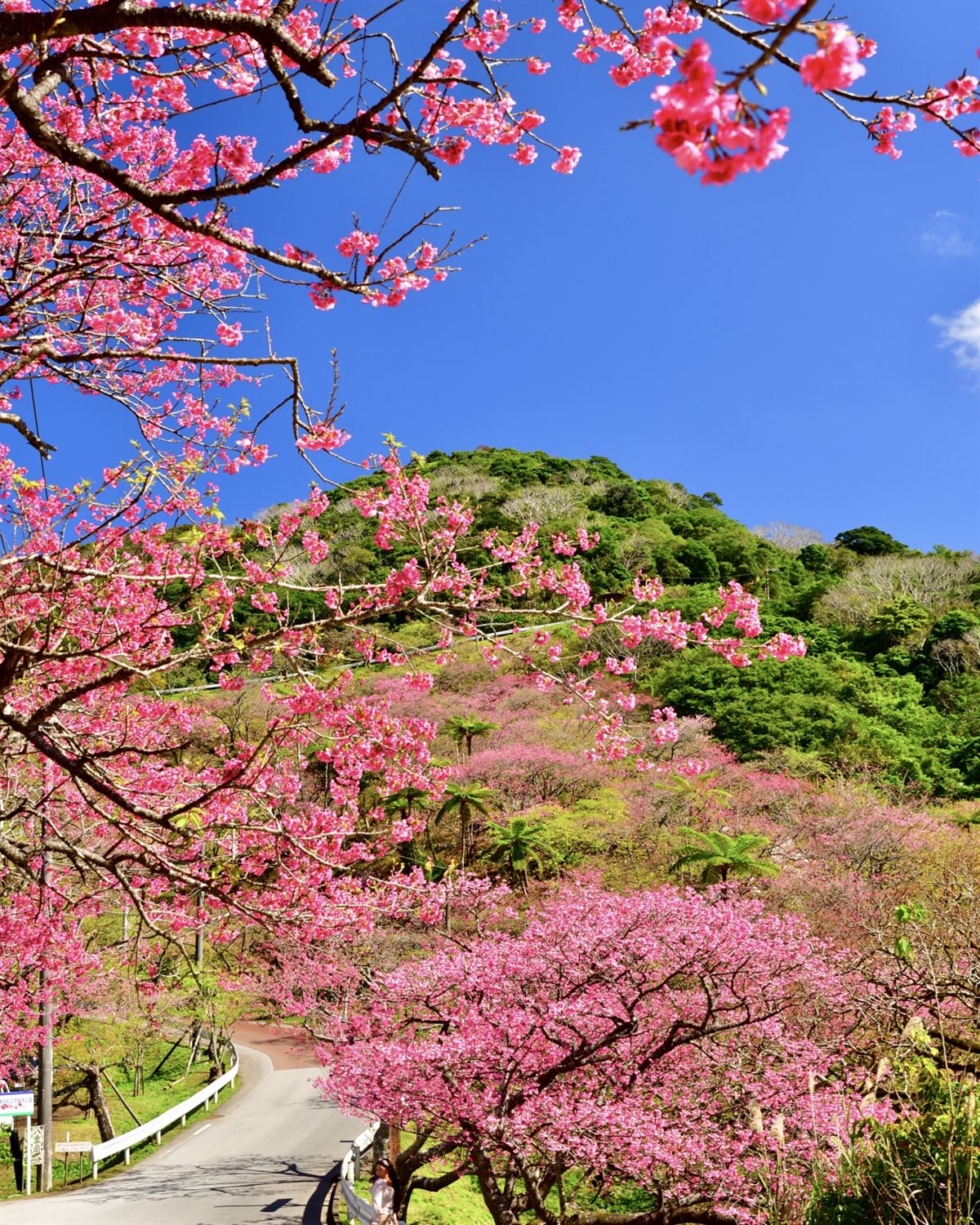
Okinawa’s cherry trees are kanhizakura(寒緋桜), a deep pink variety that blooms far earlier than the pale somei-yoshino of the mainland — this is the first cherry blossom season in Japan each year, in January rather than April.
The best-known gathering is the Motobu Yaedake festival(もとぶ八重岳桜まつり)on the hillside in the north of the main island. The 48th edition ran from 17 January to 8 February 2026 after being extended, and the 47th ran from 18 January to 2 February 2025, so mid-January to early February is the pattern to plan around. Dates for the next edition had not been published as of October 2026, so check the Motobu Tourism Association before you fix a date.
Honestly: not comfortably, and often not legally. Managed beaches in Okinawa post their own swimming season with lifeguards and netted areas, and outside that season the swimming area is closed even though the beach itself is open to walk on. Check the specific beach rather than assuming.
What works instead: resort hotels with heated pools, which stay open through winter; diving and snorkelling with a wetsuit, which operators run year-round because the water is clearer in winter than in summer; and simply using the beaches for walking, which is pleasant at 20°C.
The exception is the New Year period. From late December to the first days of January, domestic travellers fill the flights and the resorts, rates rise instead of falling, and some family-run restaurants and shops close for the holiday. If your dates are flexible, the second half of January gives you the same weather, the whales, the blossom and none of that pressure.
Winter is the season where the car question matters most, because the whale boats and the cherry hillside are both outside Naha. Our guide to whether you need a car in Okinawa covers the licence rules and what the buses actually reach.
For the north of the main island, Kouri Island Beach is a good winter walk, and JUNGLIA Okinawa sits near the aquarium. For everything else, start with our Okinawa travel guide.
The Naha average for January is 17.3°C, with daytime highs near 19.8°C and nights around 14.9°C. A light jacket is enough; a winter coat is not needed.
From January to early April around the Kerama islands, with February the busiest month for tours. Sightings are not guaranteed and boats are cancelled in rough seas.
Yes. Okinawa’s kanhizakura bloom from January, and the Motobu Yaedake festival has run from mid-January into early February in recent years.
Plan a winter trip around the two things that only happen now — the whales and the early blossom — and treat the beaches as scenery rather than swimming. Done that way, December to February is the easiest time of year to travel here.
Last updated: October 2026. Event dates, tour schedules and beach seasons change each year, and the official information is published in Japanese. We check each figure against the Japan Meteorological Agency and the local authorities, but please confirm before you travel.
Did you know that Miyako Island is home to one of the most b……
Shurijo Castle, perched on a hill overlooking Naha City, ser……
Nuchigusui no Yado Coco. is a small hidden inn with only six……
Nestled on the beautiful Kouri Island in northern Okinawa, R……


