

- 2024-08-30
Discover Kabira Bay: The Ultimate Guide for Your Ishigaki Island Adventure
Kabira Bay, located on the northwest coast of Ishigaki Islan……
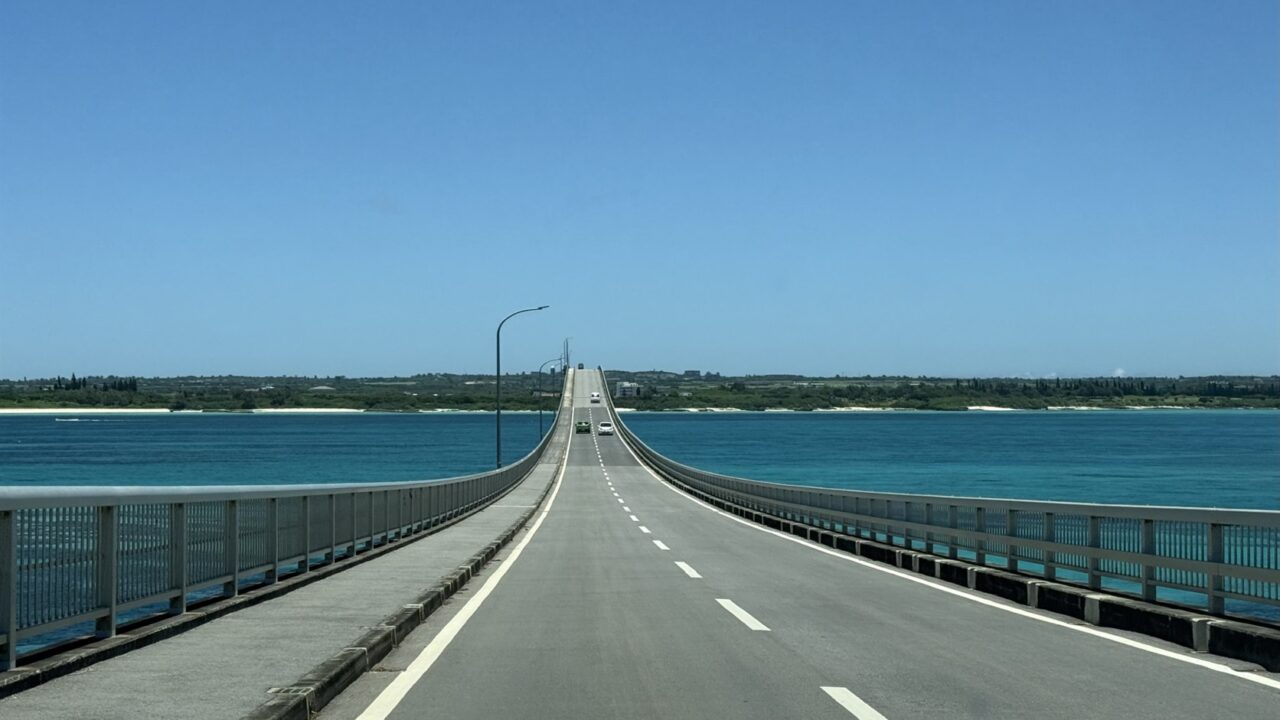
Okinawa (沖縄) is the one part of Japan where the train network stops almost as soon as you leave the airport. Naha has a monorail and that is it: the beaches, the aquarium and the northern coast are reached by road, which is why every guide tells you to rent a car.
The honest answer is that it depends on where you are going, and on whether you are legally allowed to drive here at all. This guide covers the licence rules you have to sort out before you leave home, what you can do from the monorail, what a day without a car looks like in the north, and when renting is genuinely worth it.
| Driving licence | A 1949 Geneva Convention International Driving Permit, valid for one year from the day you land |
| Exception | Licences from Switzerland, Germany, France, Belgium, Monaco and Taiwan are used with an official Japanese translation instead |
| Driving side | Left, with the steering wheel on the right |
| Monorail | Yui Rail(ゆいレール), 19 stations; Naha Airport to Kenchomae is 290 JPY and 13 minutes |
| Bus to the aquarium | Yanbaru Express Bus, Naha Airport to Kinen-koen-mae, 2,000 JPY one way |
| That journey takes | About 2 hours 30 minutes by highway bus, per the aquarium’s own site |
| Verdict in one line | No car for Naha; a car, a tour or a long bus day for everything north of it |
This is the part that catches people out, because it has to be done before you fly. Japan accepts an International Driving Permit issued in the form set out by the 1949 Geneva Convention, and it lets you drive for one year from the date you enter the country. If your permit expires sooner than that, the permit’s own expiry date applies.
An IDP cannot be issued to you in Japan. If you arrive without one, no rental company can legally hand you a car, and there is no counter at the airport that fixes it.
There is a second route for a small group of countries and regions. Licences from Switzerland, Germany, France, Belgium, Monaco and Taiwan are accepted with an official Japanese translation of the licence, prepared by that country’s consular office in Japan or by a body designated for the purpose, rather than with an IDP. Permits issued in a form other than the Geneva one are not valid here, whatever they are called at home.
Carry your passport, your home licence and the IDP or translation together whenever you drive. Rental desks check all three.
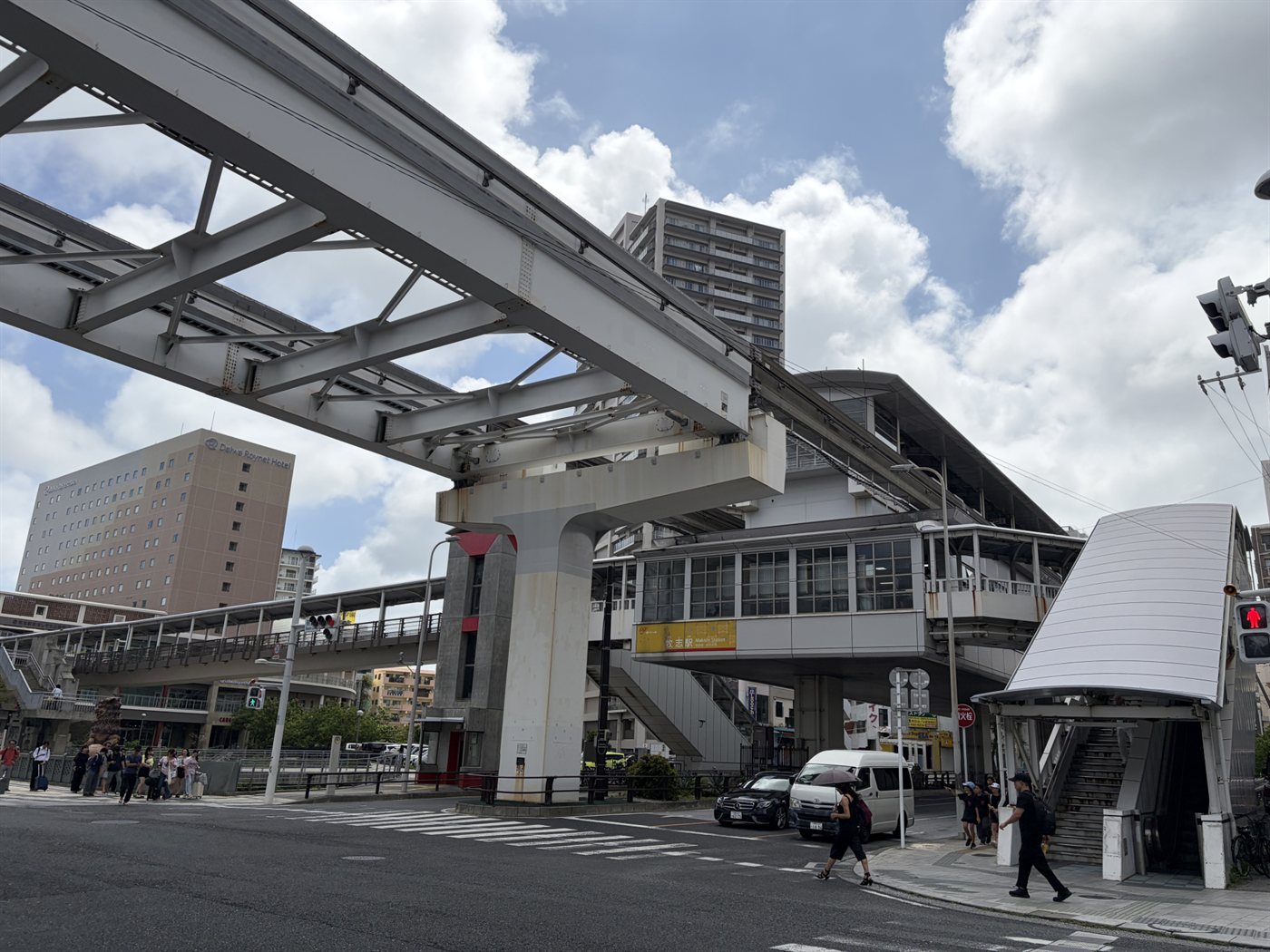
Naha works perfectly well on foot and on the monorail. Yui Rail(ゆいレール)runs from Naha Airport through the city and on to Tedako-Uranishi, 19 stations in all, and the airport is 13 minutes and 290 JPY from Kenchomae, the stop for the Kokusai-dori shopping street. Children travel for 150 JPY on that section.
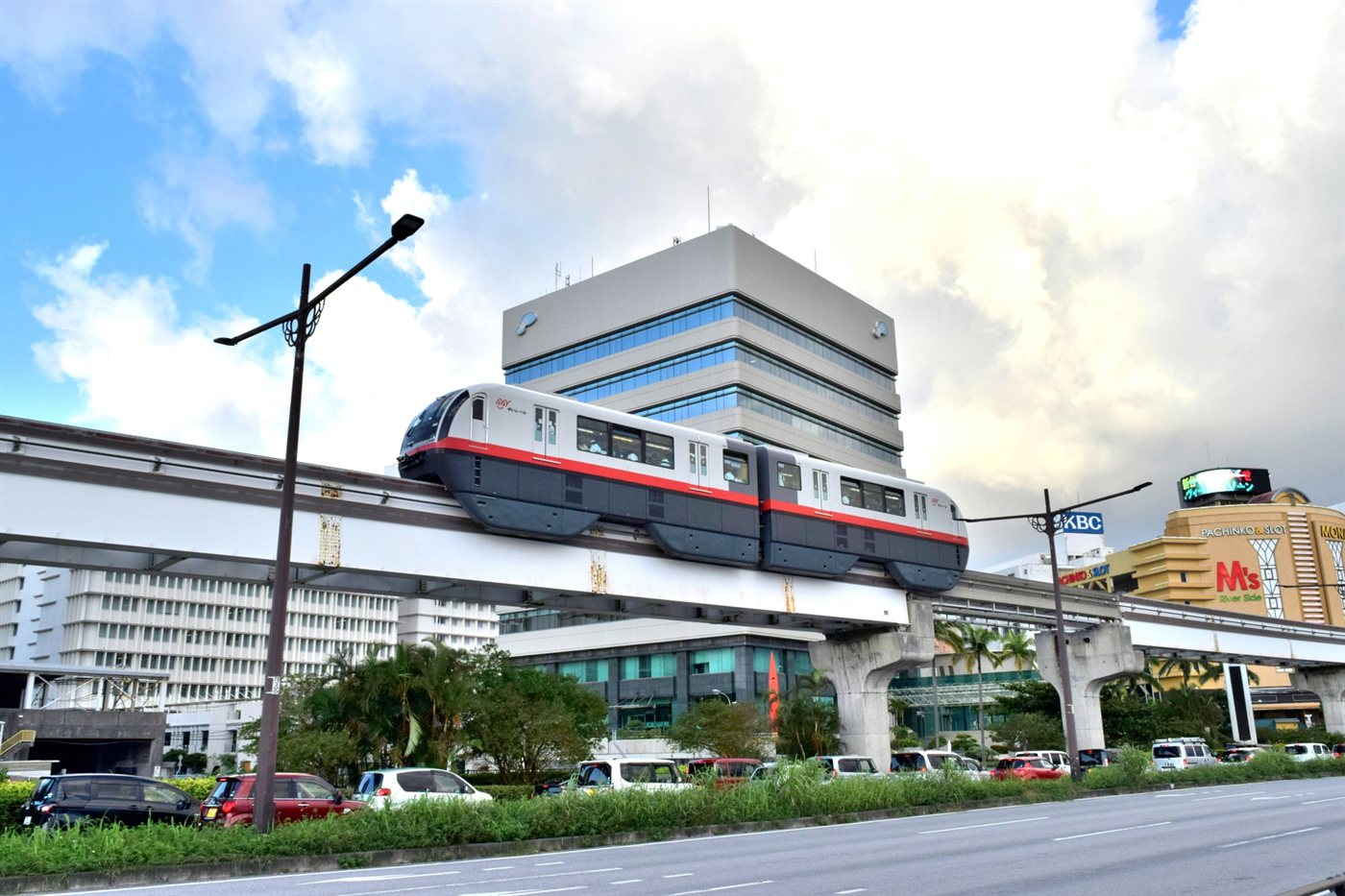
If your trip is two or three nights built around Naha, Shuri Castle, the markets and a day trip or two, renting a car buys you very little. Central Naha is congested, hotel parking is charged by the night, and the monorail runs above the traffic.
Everything that makes Okinawa famous is spread along the coast north of the capital, and public transport there is sparse rather than absent.
The aquarium is the clearest case. Yanbaru Express Bus runs from Naha Airport to Kinen-koen-mae, the stop by the Ocean Expo Park central gate, for 2,000 JPY one way, and the aquarium’s own site puts the journey at about two and a half hours by highway bus. It is a workable day out, but it is most of the day: you are committing roughly five hours to the round trip before you have seen anything.
Beaches are harder again. Many of the best-known stretches of sand have one bus an hour at best, and services thin out in the evening, so an afternoon swim can leave you waiting a long time for the ride back.
| Your trip | What works |
| Two or three nights in Naha | Monorail and taxis. No car |
| Naha plus one trip to the aquarium | The highway bus, or a day tour that includes the drive |
| Beaches, Cape Manzamo, the northern villages | A rental car, or you will spend the week at bus stops |
| Travelling with small children and a lot of luggage | A rental car, booked with child seats in advance |
| No IDP, or nobody in the group can drive | Base yourself in Naha and buy day tours for the north |
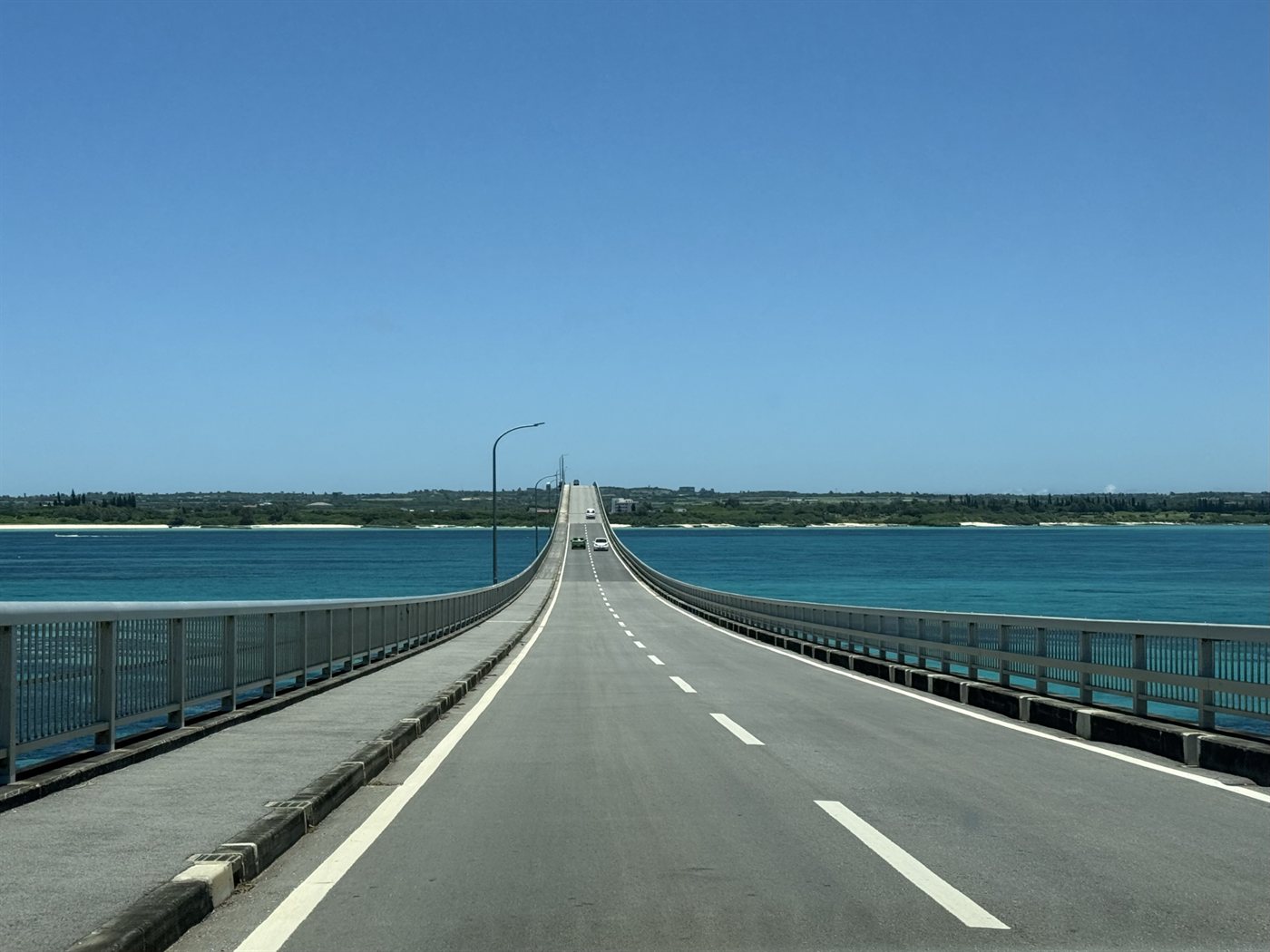
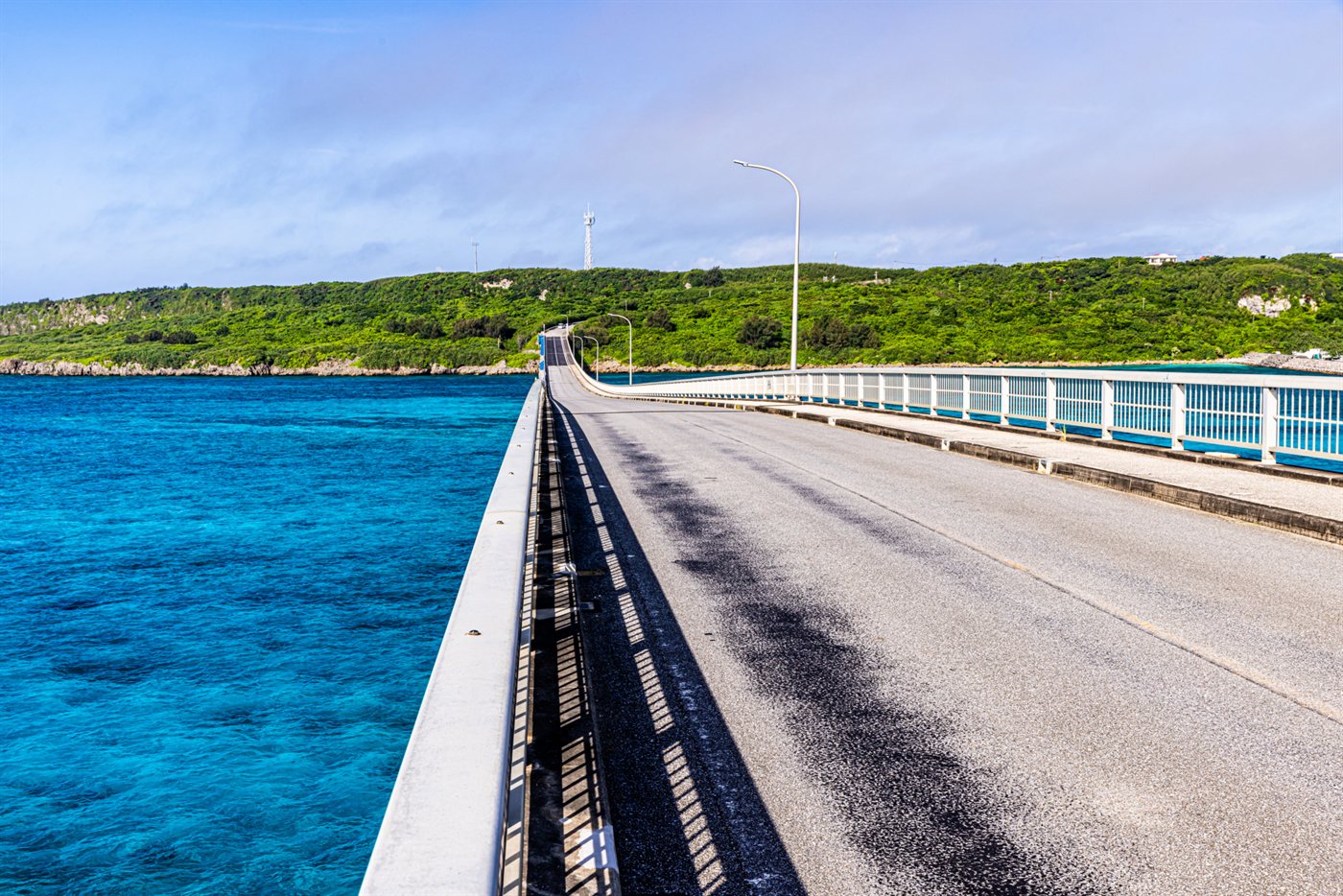
If the northern coast is the reason you are coming, read our guide to Kouri Island Beach, which sits at the far end of a causeway and is one of the places a car genuinely transforms. For the new theme park near the aquarium, our guide to JUNGLIA Okinawa covers tickets and access from the airport.
For everything else on the islands, from the beaches to where to stay, start with our Okinawa travel guide.
No. It has to be issued in the country that gave you your licence, before you travel. Without it, rental companies cannot let you drive.
Yes. The highway bus from Naha Airport to Kinen-koen-mae costs 2,000 JPY one way and takes about two and a half hours, so treat it as a full day rather than a morning out.
For Naha itself, yes. Nineteen stations cover the airport, the city centre and Shuri, and the airport to Kenchomae leg is 290 JPY. It does not reach the beaches or the aquarium.
Decide in this order: check whether you can get an IDP in time, then look at how far north you want to go. If the answer is the aquarium and nothing else, the bus is fine. If it is beaches, viewpoints and dinner somewhere other than your hotel, rent the car.
Last updated: October 2026. Fares, timetables and licence rules change, and much of the official information is published in Japanese. We check each figure against the operators and the National Police Agency, but please confirm before you travel.
Kabira Bay, located on the northwest coast of Ishigaki Islan……
Shurijo Castle, perched on a hill overlooking Naha City, ser……
Located in the heart of Ishigaki Island, just steps from the……
Opened in April 2024, HOTEL KANALOA is a 28-room hotel conve……


