

- 2024-10-10
Explore the Winter Wonderland at IWATAKE WHITE PARK in Hakuba, Japan
If you’re considering a trip to Japan, one destination……
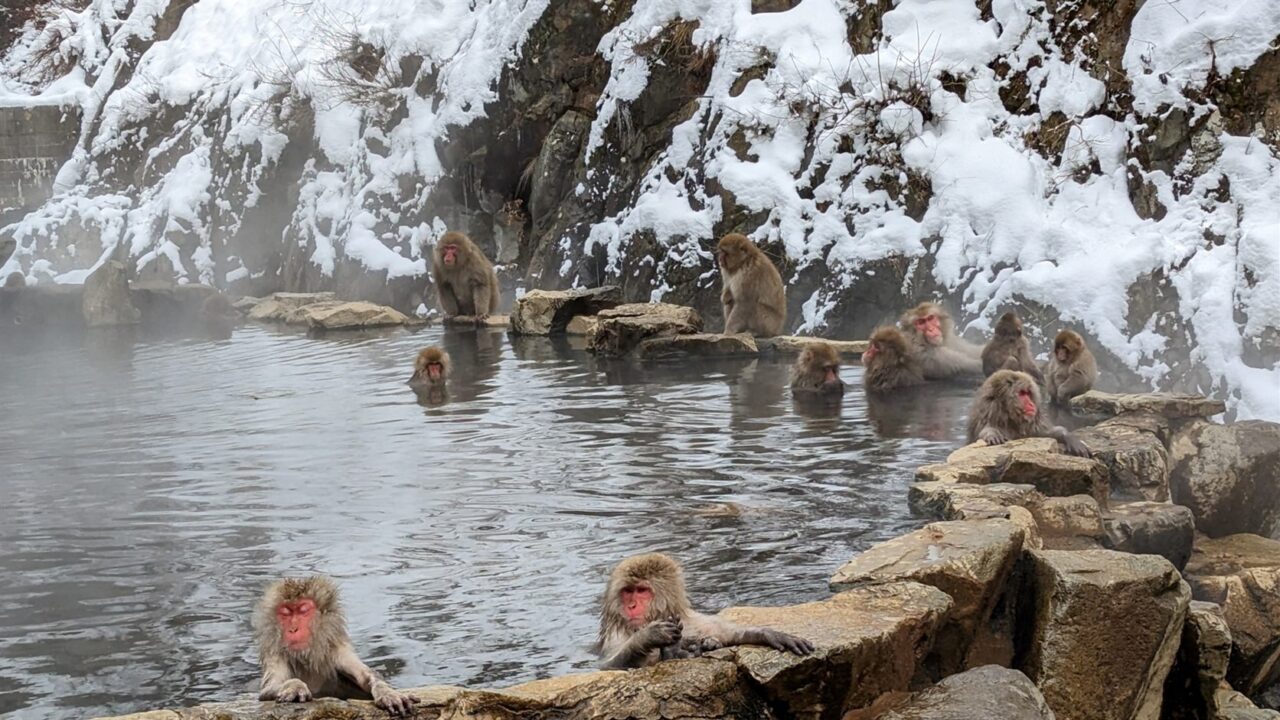
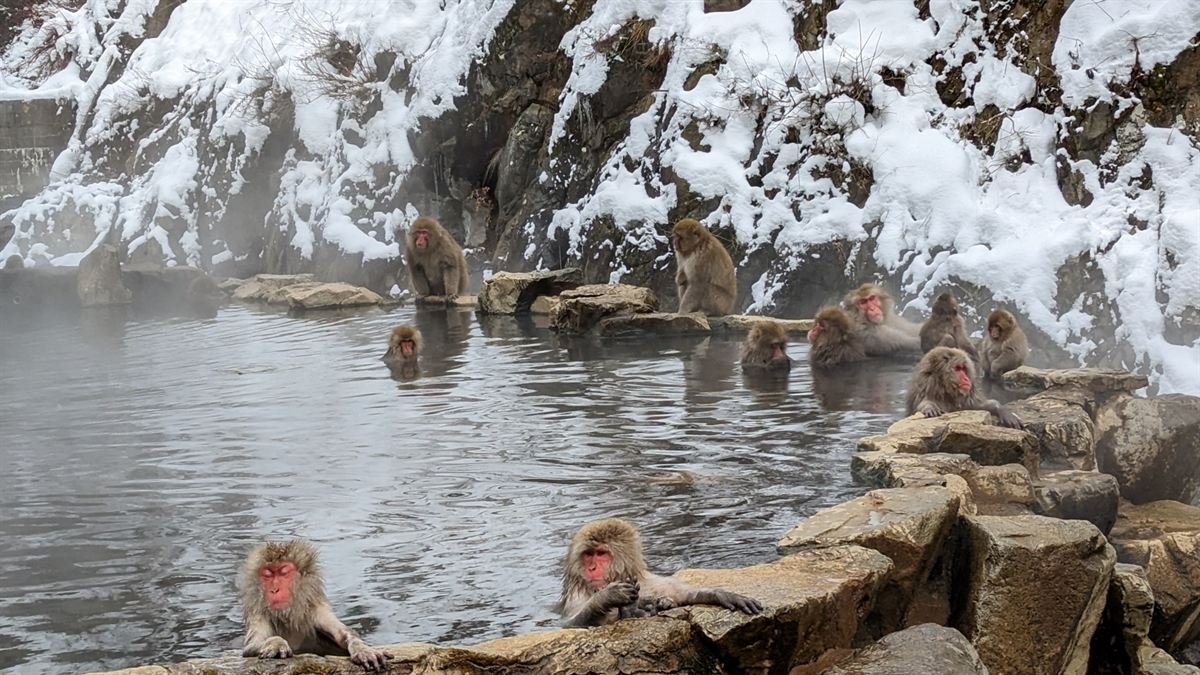
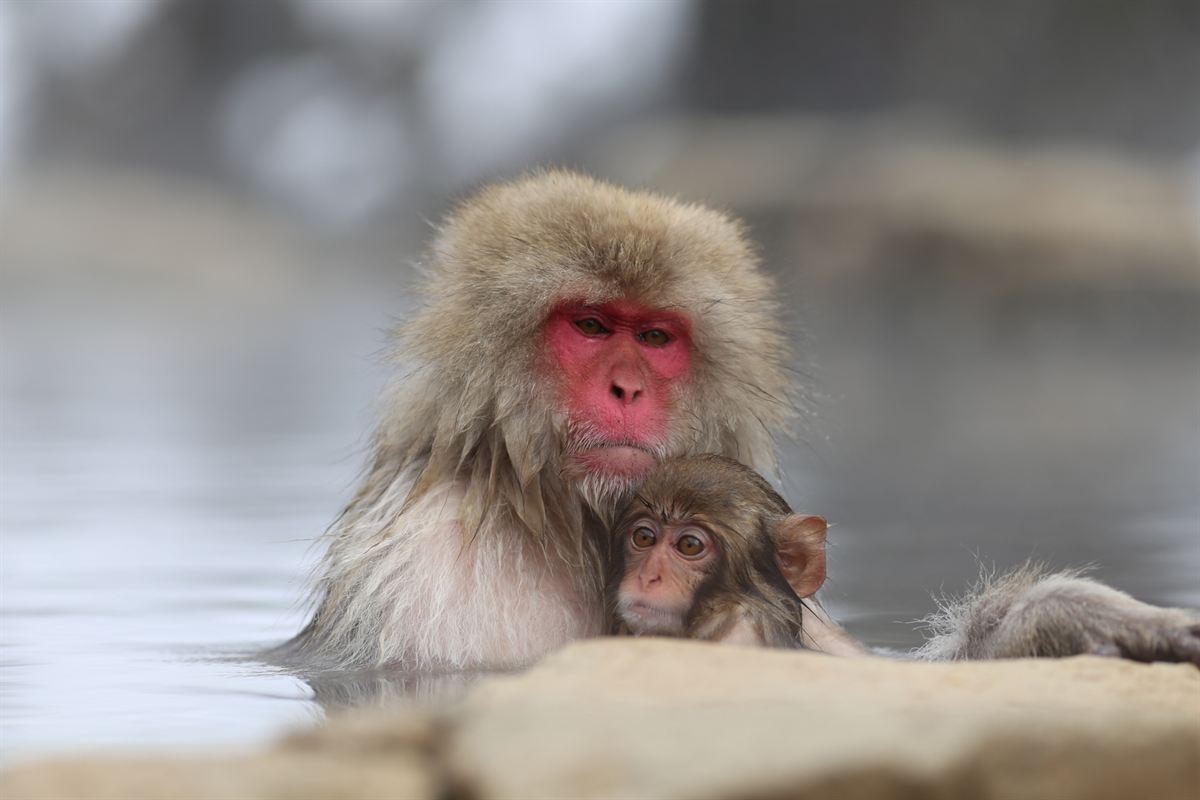
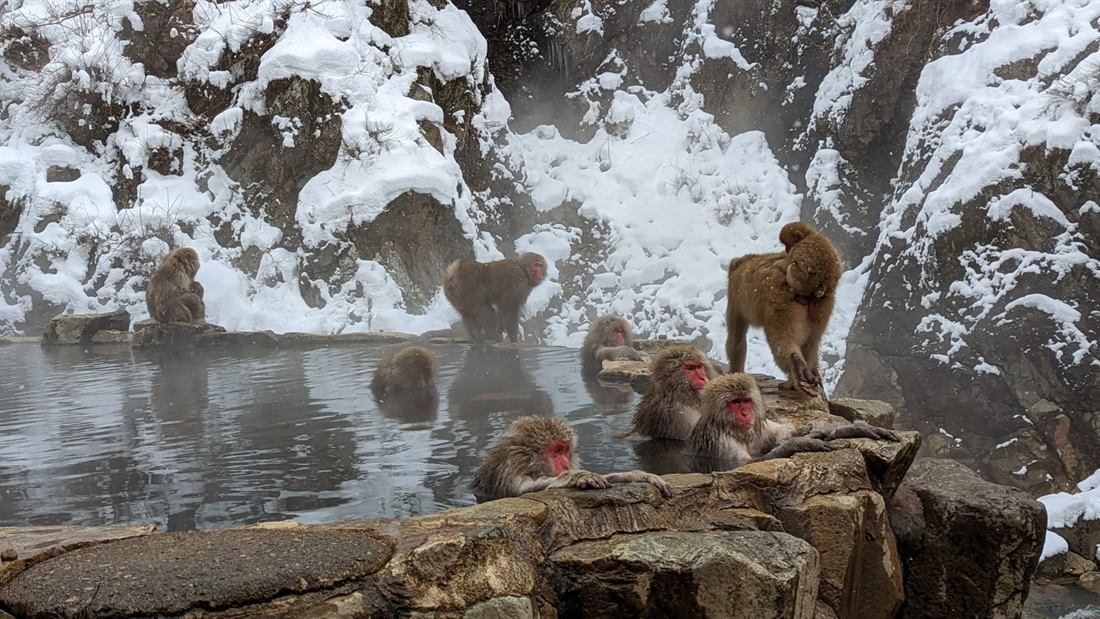
The snow monkeys of Jigokudani (地獄谷) are the one Japanese animal photograph everyone recognises: a macaque sitting chest-deep in a steaming pool with snow on its head. What the photograph does not show is the 35-minute walk through the forest to reach them, or the park’s own warning that on some days the monkeys do not turn up at all.
This guide covers the opening hours, what it costs, how to get there from Nagano, and the two things that decide whether the trip works: your shoes, and your timing.
| Where | Jigokudani Monkey Park(地獄谷野猿公苑), Yamanouchi, Nagano |
| Admission | 800 JPY adult (18+), 400 JPY school child, free under 6 with a guardian |
| Price change | The park has announced a revision from 1 December 2026; the new amounts were not published as of October 2026 |
| Hours | 8:30–17:00 from April to October; 9:00–16:00 from November to March |
| Closing days | None scheduled, but the park can close without notice for weather or the monkeys’ own behaviour |
| Getting in | Arrive at least 30 minutes before closing |
| The walk | About 35 minutes on an unpaved forest trail; no wheelchairs or pushchairs |
| Official site | Jigokudani Monkey Park |
The standard route is Nagano Station(長野駅)to Yudanaka(湯田中)on the Nagano Dentetsu limited express, then a local bus to the Snow Monkey Park stop, then the walk. The park puts that final leg at about 35 minutes.
Nagano Dentetsu sells a Snow Monkey Pass that bundles the train fare with park admission, which saves buying tickets at each stage. If you would rather shorten the walk, a taxi can take you to the Jigokudani car park, leaving about 15 minutes on foot.
Driving needs one piece of local knowledge: the paid Jigokudani car park closes from 1 December to 31 March. In winter the park directs drivers to its own car park near Hotel Senjukaku, and suggests setting that hotel in your satnav rather than the park itself.
From the bus stop or the car park it is roughly half an hour on an unpaved path through cedar forest, gently uphill. In summer it is a pleasant woodland stroll. From December to March it is packed snow and ice, and the park recommends trekking shoes or snow boots rather than city footwear.
Two consequences worth planning around. Wheelchairs and pushchairs cannot be used on the trail, so this is not a trip for anyone who cannot manage a half-hour walk on uneven ground. And because the walk takes 35 minutes each way, the winter closing time of 16:00 means leaving the bus stop by about 15:00 at the very latest — the park asks visitors to arrive at least 30 minutes before closing.
Not necessarily. The park states plainly that there are days when the monkeys do not appear at all, and it can close without notice because of their behaviour or the weather. They are wild animals living in the valley, not residents of the pool.
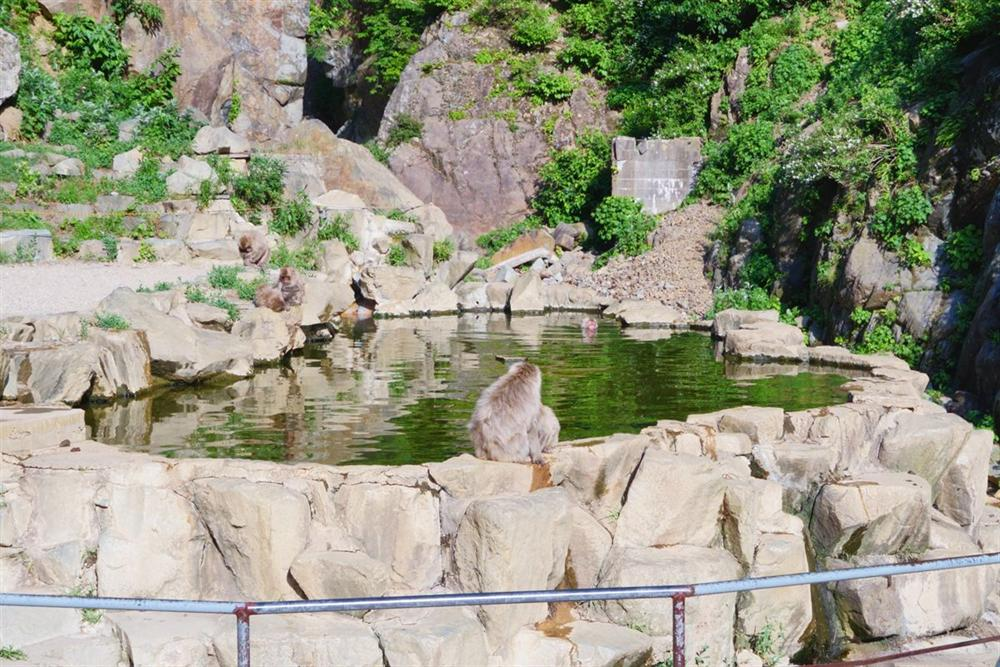
In practice, the cold months are when the bathing happens most, which is why the winter photographs exist — but a mild, sunny January day can mean monkeys on the rocks rather than in the water. Treat the hot spring scene as likely rather than certain, and the walk through a snowy valley as the part you are guaranteed.
From December to April the park gives priority to visitors holding web tickets bought in advance, so buy online before you go rather than queueing at the gate.
Go in the morning if you can. Tour groups from Nagano tend to arrive from late morning onwards, the light in the narrow valley fails early in winter, and an arrival soon after opening leaves you room to wait at the pool rather than racing the clock back down the trail. In the short winter days the difference between a 10:00 and a 14:00 start is the difference between a relaxed visit and a brisk one.
The park sits in ski country, and the obvious pairing is a day on the slopes either side of it. Our guide to the ski resorts of Hakuba covers the valley on the other side of Nagano, and Ski & Snow in Japan compares the regions.
If you are driving in from Gifu or heading on to the Hida mountains afterwards, read our guide to winter driving in Gifu and Nagano first. For the rest of the prefecture, see the Nagano travel guide.
800 JPY for adults aged 18 and over and 400 JPY for school-age children, with under-sixes free when accompanied. A price revision takes effect on 1 December 2026, so check the official site for the current figure.
16:00 from November to March, and the park asks you to arrive at least 30 minutes before that. Allow 35 minutes for the walk in from the bus stop.
Yes. The park is open year-round, 8:30 to 17:00 from April to October, and the monkeys live there in every season. The bathing is a cold-weather habit, so summer visitors see the troop rather than the hot spring scene.
If you take one thing from this: the trip is a walk in the mountains that ends at a monkey bath, not a zoo visit. Dress for the walk, go early in the day, and the rest looks after itself.
Last updated: October 2026. Admission, hours and access change, and the official information is published in Japanese. We check each figure against the park’s own pages, but please confirm before you travel.
If you’re considering a trip to Japan, one destination……
Nestled in the mountains of the Kiso Valley, Tsumago-juku is……
Japan is renowned for its stunning natural landscapes and ri……
Ten Hakuba ski areas share one lift pass. Here are the 2026-……


