

- 2024-11-23
Discover the Historical Beauty of Hida Folk Village in Takayama, Japan
Hida Folk Village, or Hida no Sato, is a fascinating open-ai……

Renting a car for the mountains of Gifu (岐阜) and Nagano (長野) in winter is a reasonable idea. The part visitors get wrong is what the roads legally require once it snows, and what the rental counter will and will not hand you.
Japan has two different restrictions with similar names, and one of them makes studless tyres insufficient on their own. This guide covers both, what rental companies include by default, and the case for leaving the car and taking the bus instead.

| Where this applies | Mountain roads and expressways in Gifu and Nagano, roughly December to March |
| Legal baseline | Prefectural traffic rules require anti-skid measures on snow-covered or frozen roads, in every prefecture except Okinawa |
| Winter tyre regulation | Winter tyres on all four wheels, or chains on the drive wheels |
| Chain regulation | Chains required even on studless tyres |
| Rental cars | Studless tyres are standard in snow regions during the winter season, with a winter surcharge; outside that period they must be reserved |
| Chains from the rental company | Varies: one major chain does not rent them at all, another charges per rental, a third stocks them by branch |
| Official sources | NEXCO Central Japan on winter driving |
A winter tyre regulation(冬用タイヤ規制)is the common one. You satisfy it with winter tyres fitted to all four wheels, or with chains on the drive wheels — in some prefectures, on all wheels. If your rental has studless tyres, you are compliant and you drive on.
A chain regulation(チェーン規制)is the one that catches people. NEXCO states plainly that under a chain regulation, chains are required even on studless or other winter tyres. It is imposed in exceptional snowfall on specific mountain sections where vehicles have been stranded before, and it exists so the road can stay open instead of closing entirely. Without chains on board, you are not getting through.
So the practical rule for a winter trip into the Hida mountains is simple: studless tyres cover you almost always, and chains in the boot cover you on the days they do not.

In the snow regions, during the winter season, studless tyres come as standard rather than as an option you have to think about. Nippon Rent-A-Car, for example, fits them as standard across its fleet in designated regions and periods — Hokkaido from 1 November to 20 April, with other regions including parts of Tohoku, Hokuriku and Chubu on their own dates. A winter season surcharge applies per day in those regions.
Two traps follow from that. First, if you rent outside a designated snow region and then drive into one — picking the car up in Nagoya and heading for Takayama, say — studless tyres become a paid option that has to be reserved in advance. Nippon Rent-A-Car warns that turning up on normal tyres can mean being refused, because prefectural rules do not allow it on snow-covered roads. Second, the booking window is limited: that company sells studless only for departures between October and May.
Chains are the bigger gap. Nippon Rent-A-Car does not rent chains anywhere, so you would have to buy your own. Toyota Rent a Car does stock them, but availability depends on the branch. Nissan Rent-a-Car charges 1,650 JPY per rental for a set. Ask when you book, not when you collect the car.
For the three places most visitors actually want — Takayama, Shirakawa-go and Gero Onsen — the bus and train network does the job without a car at all. The bus from Takayama to Shirakawa-go takes about 50 minutes and costs 2,800 JPY one way, and the train from Nagoya reaches Takayama in about two and a half hours.
A car earns its keep when you are heading for places public transport thins out: the Hirugano plateau, Gujo Hachiman, the ski areas away from the main valleys, or an onsen ryokan with no bus stop near it. If your itinerary is the three famous stops, the car is a cost and a risk rather than a convenience.
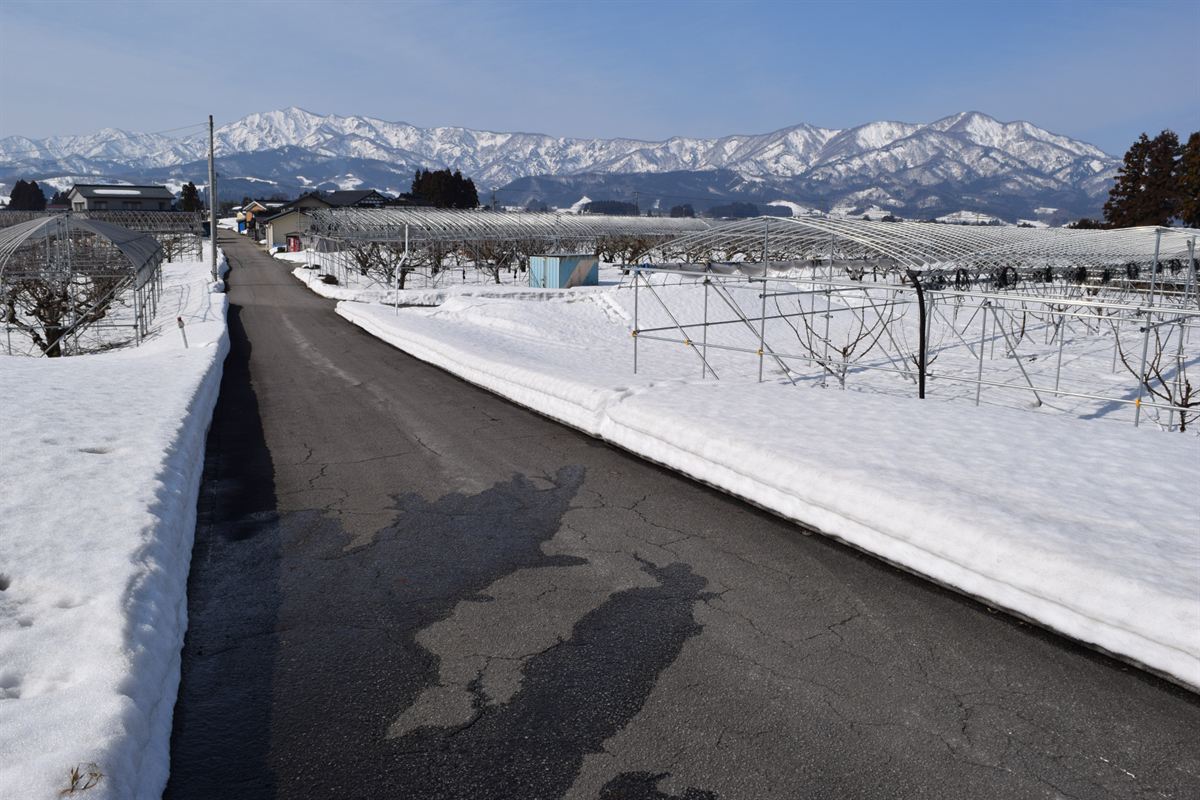
NEXCO publishes a short list of winter advice that reads like common sense until you are on a mountain pass at dusk. The points worth repeating:
One more that applies to visitors specifically: if you have never driven on the left, a snowy mountain road is the wrong place to learn. Take the first day on flat ground, or take the bus.
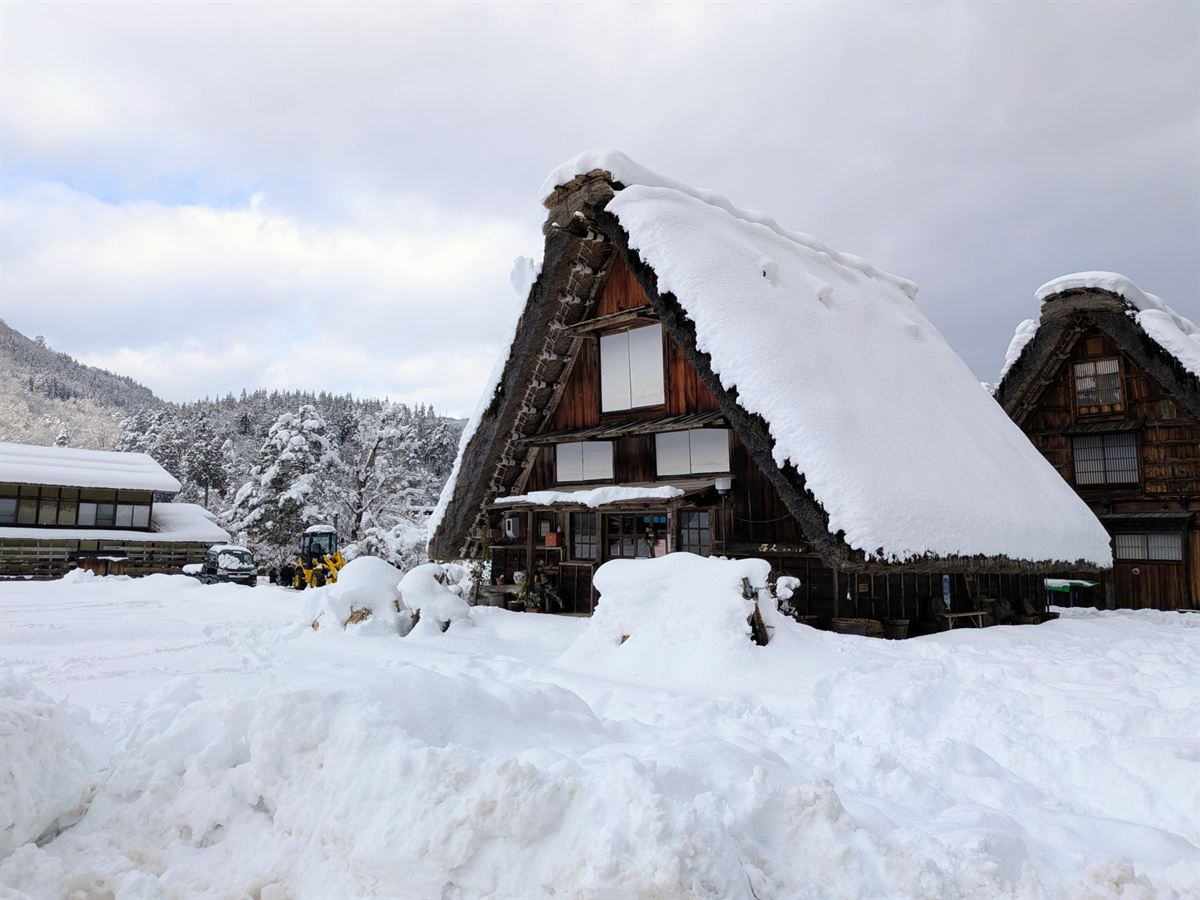
If you decide against the car, Takayama to Shirakawa-go by Bus covers the reservation rules and luggage, and our access guide to Hida-Takayama compares the train and highway bus from Tokyo, Nagoya and Osaka.
If winter is the reason you are coming, the Shirakawa-go winter light-up runs on four reservation-only evenings in January, and the Nagano travel guide covers the ski valleys on the other side of the mountains.
Almost always, yes — they satisfy a winter tyre regulation. But under a chain regulation, chains are required even with studless tyres, so carry a set if your route crosses high passes.
In designated snow regions during the winter season they are standard, with a daily winter surcharge. Rent outside those regions and studless tyres are a paid option you must reserve in advance.
It depends on the company. One major chain does not rent them at all, another charges about 1,650 JPY per rental, and a third stocks them branch by branch. Confirm at the time of booking.
Decide in this order: check whether your route needs a car at all, then book studless tyres explicitly if you are starting outside a snow region, then ask about chains. Doing it the other way round is how people end up turned back at a regulation point.
Last updated: October 2026. Regulations, rental conditions and surcharges change each season, and the official information is published in Japanese. We check each point against NEXCO and the rental companies, but please confirm before you book.
Hida Folk Village, or Hida no Sato, is a fascinating open-ai……
When visiting Hida Takayama, you’ll be captivated by its his……
The morning in Hida Takayama begins with the murmur of the r……
When visiting Hida Takayama, one of the most common souvenir……


