

- 2024-09-26
How to See Maiko in Kyoto: Dances, Gion Corner and Prices
Waiting in a Gion lane mostly finds you other tourists. The ……
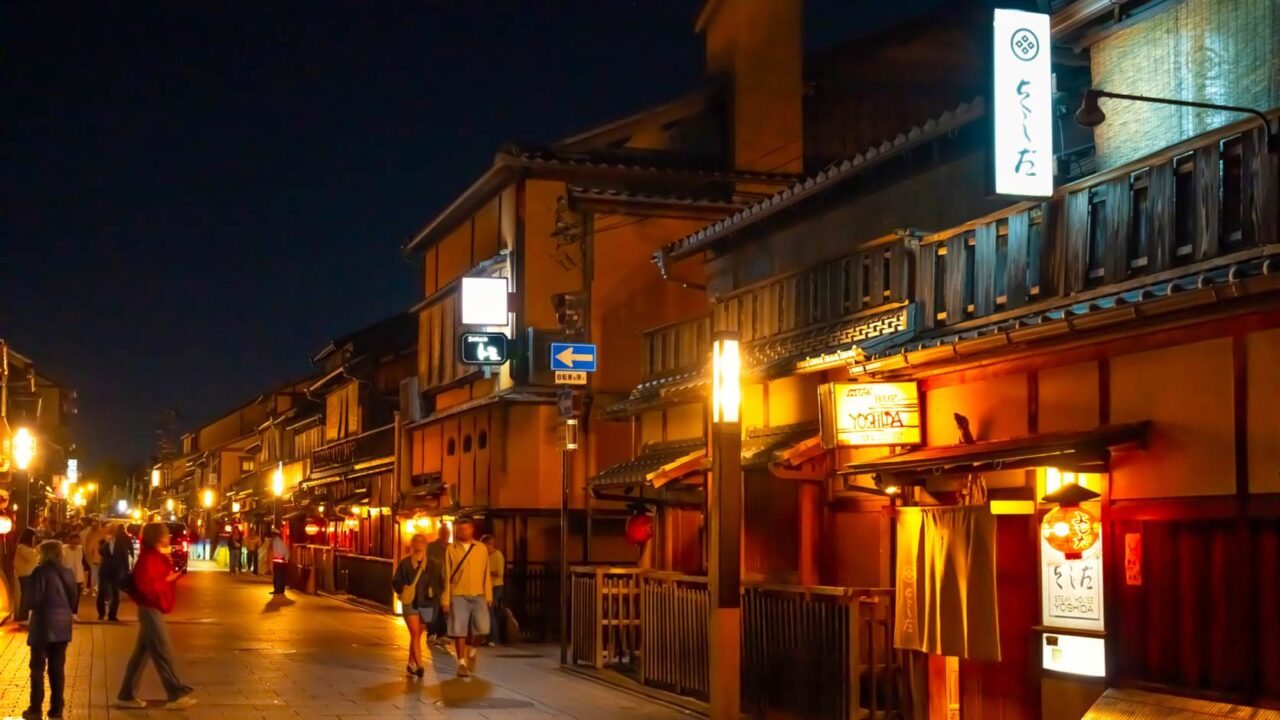
Almost everyone who walks into Gion (祇園) at dusk is hoping for the same thing: a glimpse of a maiko (舞妓) on her way to work. It is one of the few images of Japan that has not been staged for visitors — which is exactly the problem, because the lanes of Gion are not a film set but a working neighbourhood where people live.
Kyoto’s own tourism service now publishes the district’s requests, with the penalties attached, and they are blunter than most visitors expect. This guide sets out what the rules actually say, and then the straightforward ways to watch Kyoto dance properly — including the theatre the district itself points people towards.
| Photographing a maiko in the street | Not permitted without consent; stopping, touching or following one is covered by law |
| Entering private land or lanes | An offence — up to 3 years’ imprisonment or a fine of up to 100,000 JPY |
| Blocking someone’s path or following them | Detention of under 30 days, or a minor fine under 10,000 JPY |
| Pulling at a hand or a sleeve | Up to 6 months’ imprisonment or a fine of up to 500,000 JPY under city ordinance |
| The sanctioned alternative | Gion Corner(ギオンコーナー), which the district’s own message recommends |
| Gion Corner times | Daily performances from 18:00 and from 19:00 |
| Gion Corner prices | 5,500 JPY from age 23; 3,850 JPY for 16–22; 3,300 JPY for 7–15; preschool children free |
| Winter schedule | 1 December to 11 March, Tuesday to Friday only, closed on public holidays |
The residents’ association of the southern Gion district, together with the local teahouse and geiko associations and Kenninji temple, publishes a message through Kyoto City’s tourism site. Two lines of it are worth quoting directly. The first: do not stop, touch, follow or photograph geiko and maiko who are walking through the district. The second, which explains the first: they are not mascot characters.
A maiko walking in Gion in the early evening is going to work, usually at a fixed time, in shoes she cannot hurry in. The crowd that forms around her is not an audience; it is an obstruction. The message notes that residents do call the police, and that officers come.
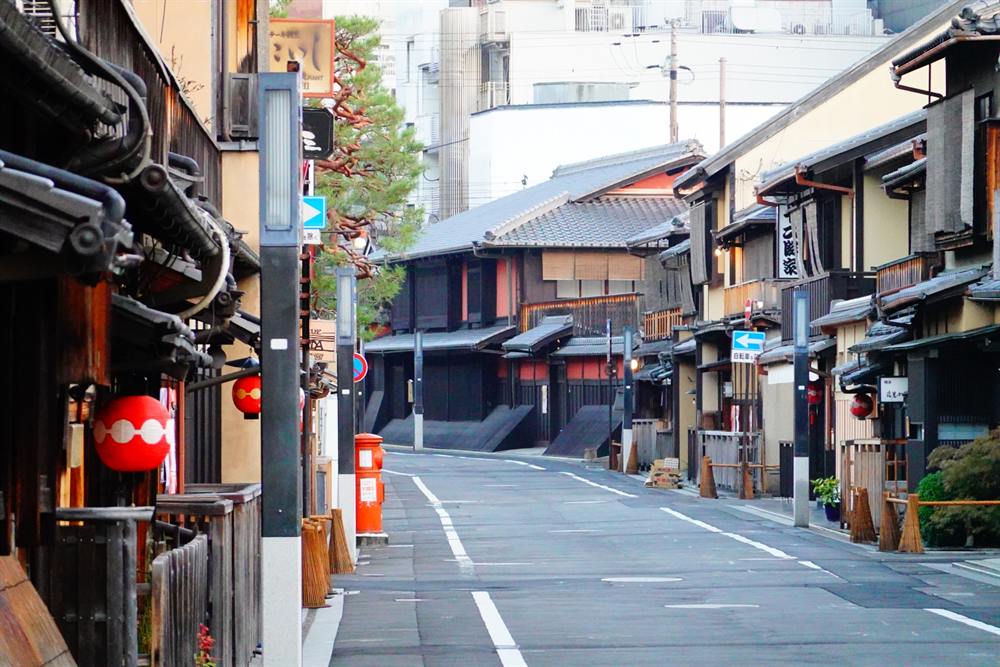
The penalties listed alongside are real ones. Entering private land — anywhere that is not a shop or a public road — without permission carries up to three years’ imprisonment or a fine of up to 100,000 JPY. Blocking someone’s path or following them is punishable by detention of under 30 days or a minor fine. Taking hold of a hand or a sleeve falls under a city ordinance carrying up to six months or 500,000 JPY. Obstructing traffic carries a fine of up to 50,000 JPY, and dropping litter up to 30,000 JPY.
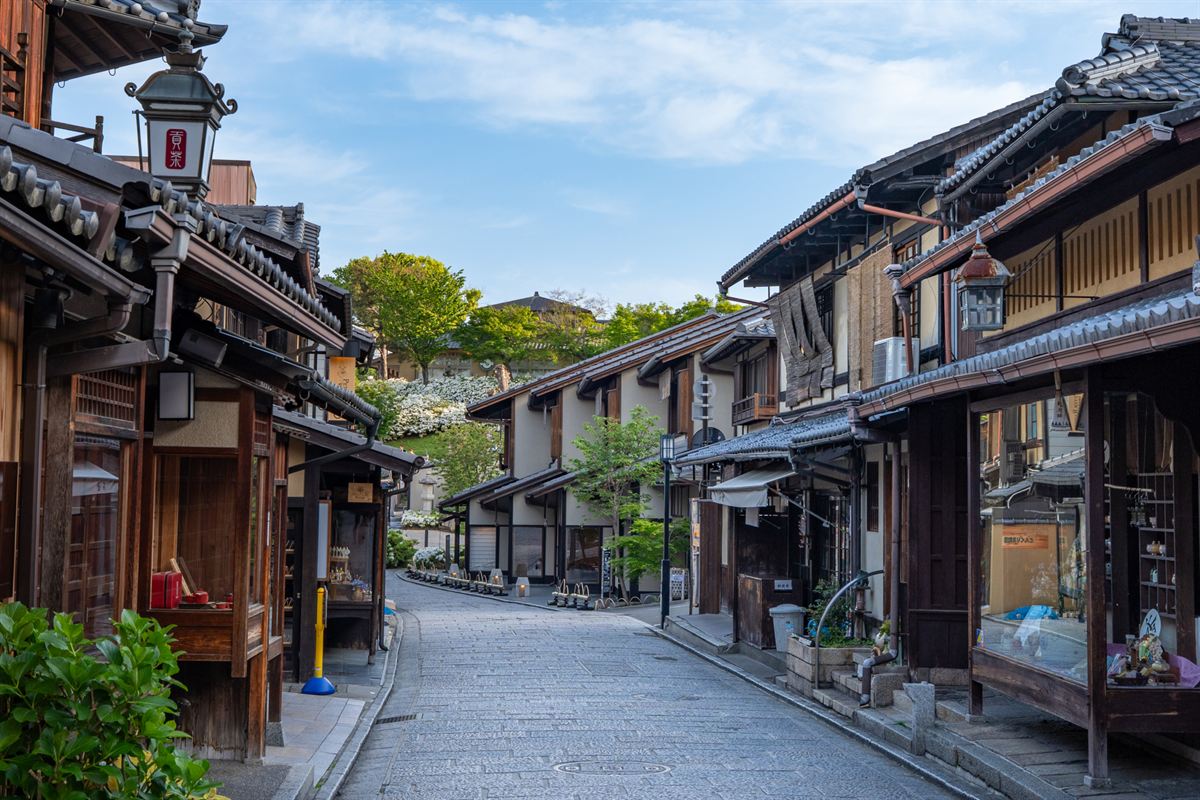
The practical reading of all this: the main street through Gion is a public road and you may walk it. The small lanes leading off it, the doorways and the gardens are not. If you are not sure whether something is a road, treat it as someone’s home.
The district’s own message tells visitors who want to see Kyoto dance(京舞)to go to Gion Corner, where there is a performance every day at 18:00 and again at 19:00. It sits beside the Gion Kobu Kaburenjo theatre, in the small hall next door, and the programme is a short survey of Kyoto’s performing arts rather than a dance recital alone.
Tickets are 5,500 JPY for anyone aged 23 and over, 3,850 JPY for ages 16 to 22, and 3,300 JPY for ages 7 to 15. Preschool children are admitted free. Groups of twenty or more pay 4,700 JPY a head, and school parties 1,500 JPY.
The winter timetable is the thing to check before you travel. From 1 December to 11 March the theatre performs on Tuesdays, Wednesdays, Thursdays and Fridays only, and during that season it closes on public holidays. It also closes on 16 July and 16 August, over the New Year period from 26 December to 4 January, and on 11 and 23 February. Buy online if your dates are fixed; the counter sells remaining seats on the day.
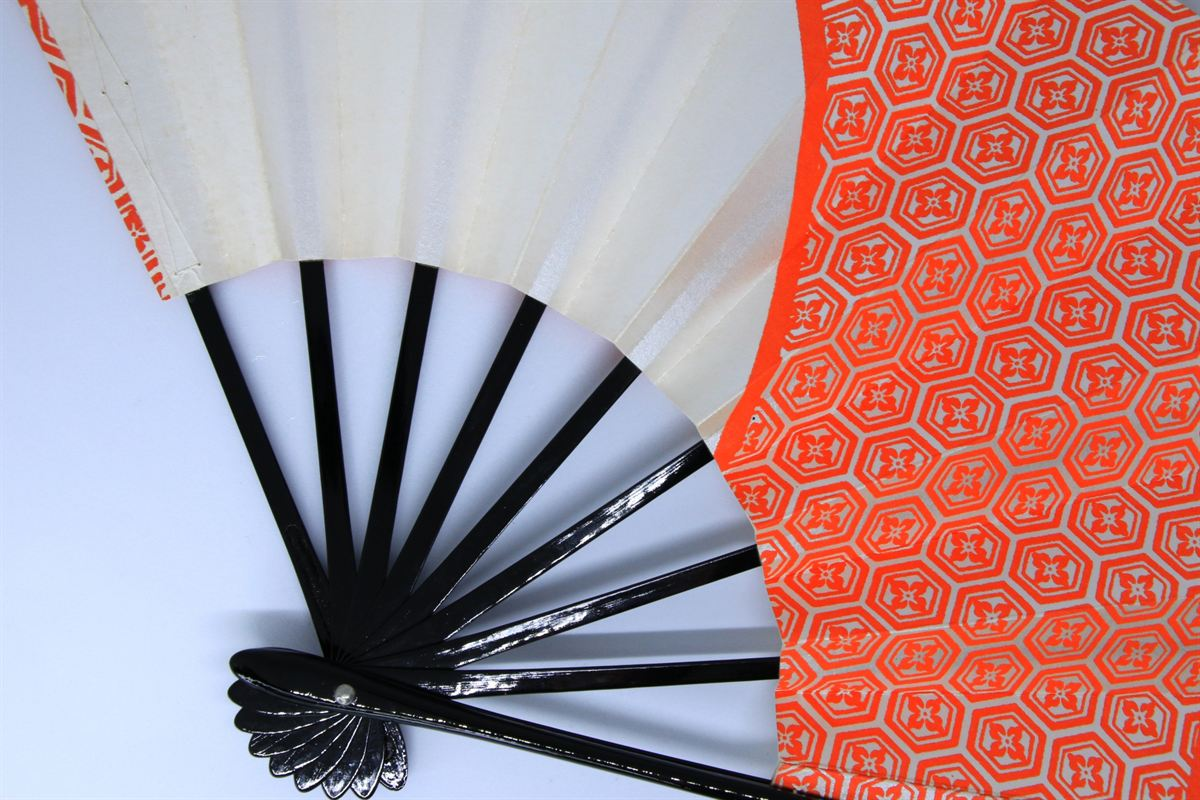
Beyond the theatre, there are two honest ways to spend an evening with maiko, and both involve paying for their time rather than taking it.
The first is the traditional banquet, the ozashiki, held in a teahouse or a restaurant with maiko attending. It is expensive and the pricing is not something to guess at — our guide to the costs of a Kyoto ozashiki banquet sets out how the charges are built up. The second is one of the seasonal public dances put on by the geiko districts, which are ticketed theatre performances open to anyone; the spring programme is the best known.
What these have in common is consent. At a performance or a booked banquet, photography rules are set by the venue and the performers know why you are there. In the street, neither is true.
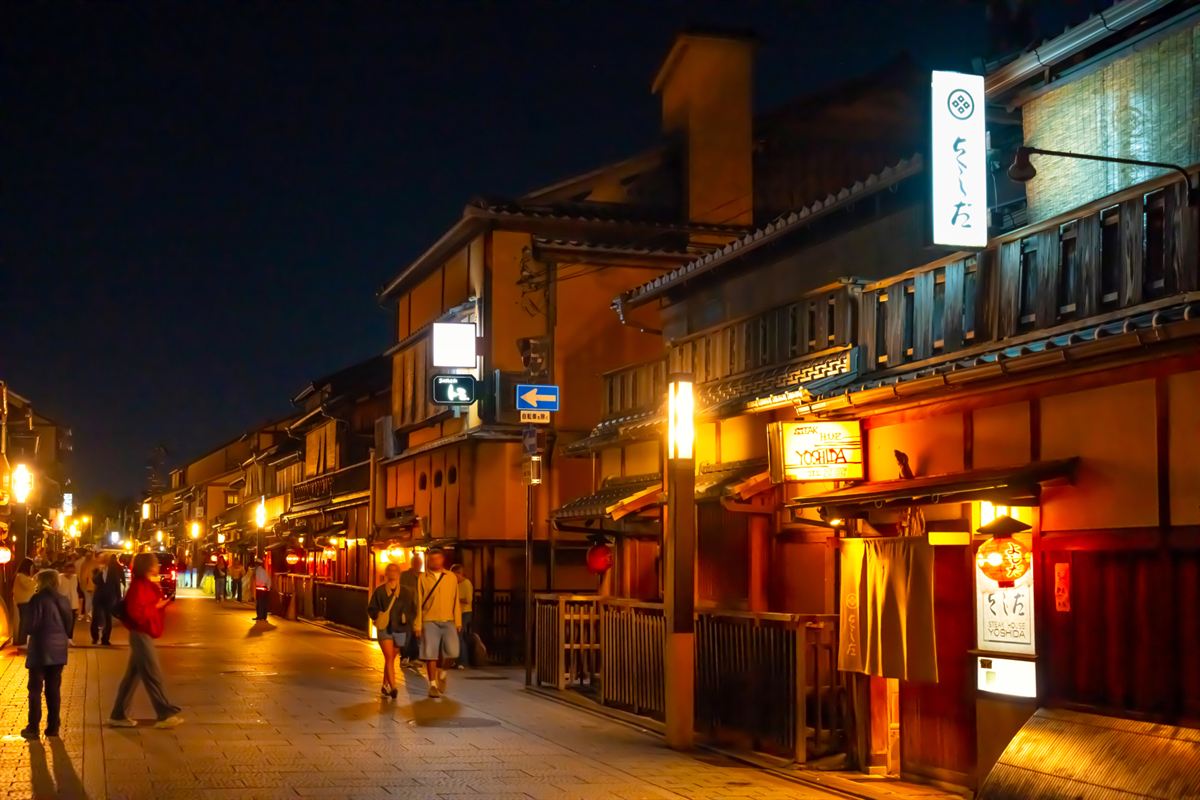
Gion is small, and an evening performance leaves the afternoon free. Our walking course through Gion and Higashiyama runs from Shijo Kawaramachi up to Yasaka Shrine and the stone lane of Ishibe Koji, which is the right way to see the quarter without standing about waiting for someone to appear.
For background on the profession itself, read the life and work of a maiko, and for the other venues where performances are held, see where to experience geiko and maiko performances.
Not without her consent. The district’s published message asks visitors not to stop, touch, follow or photograph geiko and maiko walking through the area, and residents do call the police. Photograph the streets and the architecture instead, without a tripod.
Gion Corner, which the district itself recommends, performs daily at 18:00 and 19:00, with tickets from 3,300 JPY for children up to 5,500 JPY for adults. From December to mid-March it runs Tuesday to Friday only and closes on public holidays.
The main through-street is a public road. The private lanes and anything that is not a shop or a road are private land, and entering without permission is an offence carrying up to three years or a 100,000 JPY fine. When in doubt, stay on the wide street.
Book the theatre, walk the public street, and leave the camera down when someone in a kimono hurries past. That is the whole of it — and the evening is better for it.
Last updated: October 2026. Prices, performance times and local rules change, and the district’s message is published in Japanese. We check each figure against the official pages, but please confirm before you travel.
Waiting in a Gion lane mostly finds you other tourists. The ……
Kyoto’s five hanamachi run to a published calendar. Wh……
Kyoto has five of these districts, not one, and two of them ……
Kiyomizudera Temple, located in Kyoto’s Higashiyama di……


