

- 2025-01-21
Enjoy Omicho Market in Kanazawa: A Guide for Tourists
Omicho Market in Kanazawa is a lively and iconic spot, bustl……
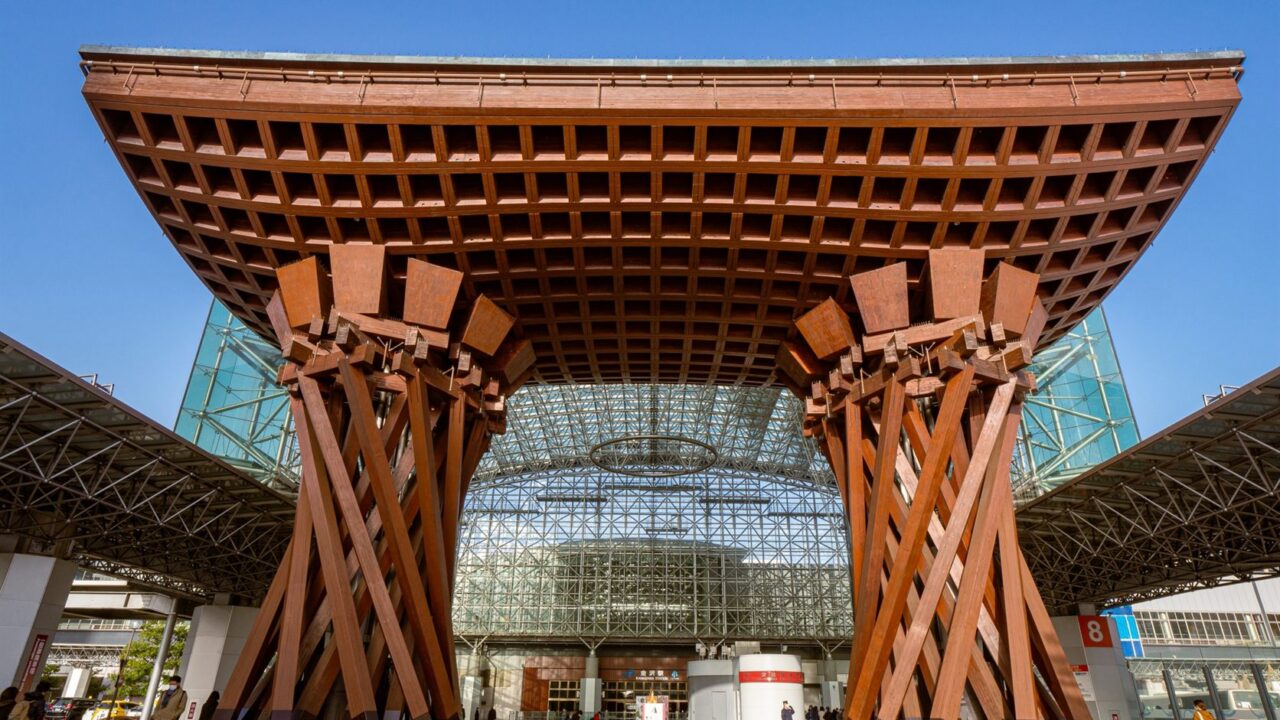
Kanazawa (金沢) is the easiest of Japan’s old castle towns to reach from Tokyo: one train, no changes, and you are there before lunch. The Hokuriku Shinkansen (北陸新幹線) does Tokyo to Kanazawa in two hours and twenty-four minutes on the fastest service, which is quicker than many people expect of a city on the Sea of Japan.
What trips visitors up is not the journey but the ticketing: the fastest trains have no unreserved cars at all, and the regional rail pass that covers this route costs more than a return trip. Here are the figures, and the one calculation worth doing before you buy anything.
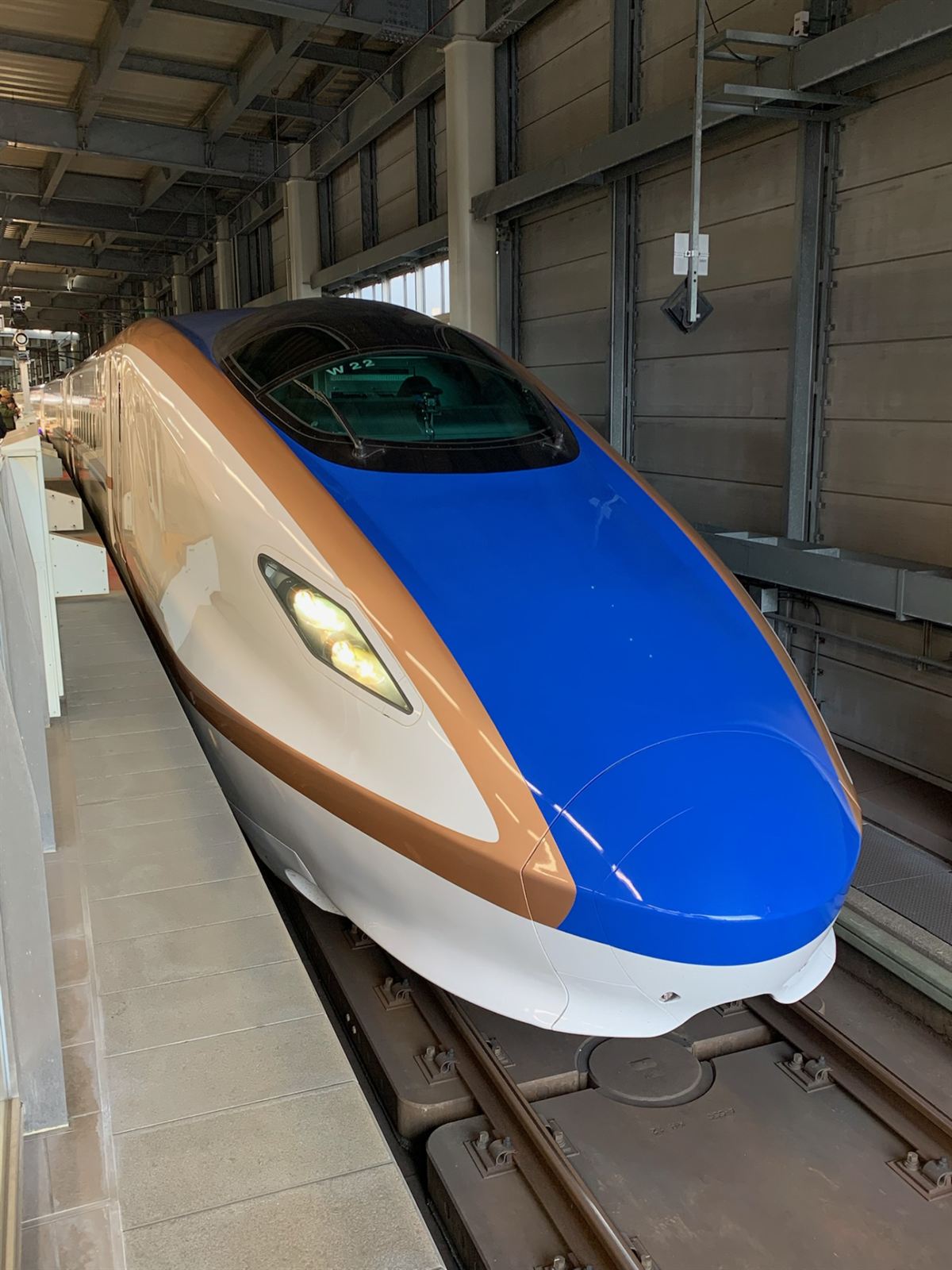
| Fastest journey | 2 hours 24 minutes, Tokyo to Kanazawa, on Kagayaki 503(かがやき503号) |
| Train types | Kagayaki(かがやき)is the express service; Hakutaka(はくたか)stops at more stations |
| Seats | Kagayaki is entirely reserved — there are no unreserved cars to walk into |
| Reserved fare | 14,400 JPY one way, Tokyo to Kanazawa, as the online Shinkansen e-ticket in the normal season |
| Unreserved fare | 14,070 JPY, Kanazawa to Tokyo, on services that have unreserved cars |
| Booking window | From one month ahead until four minutes before departure |
| Further west | Tokyo to Fukui 2 hours 49 minutes; Tokyo to Tsuruga 3 hours 6 minutes |
| Regional pass | Hokuriku Arch Pass, 35,000 JPY adult and 17,500 JPY child, 7 consecutive days |
Since the timetable revision of 14 March 2026, the fastest train of the day, Kagayaki 503, runs Tokyo to Kanazawa in 2 hours 24 minutes — one minute faster than before. The same revision trimmed the run to Fukui to 2 hours 49 minutes and to Tsuruga, the current western end of the line, to 3 hours 6 minutes.
Those are the fastest services rather than the average. Kagayaki trains make few stops; Hakutaka trains serve the smaller stations along the way and take noticeably longer. If your plan depends on arriving by a particular hour, read the timetable for your date rather than assuming the quickest figure.
Going the other way, one piece of local scheduling is worth knowing: the last Kagayaki towards Fukui, service 517, now leaves Tokyo at exactly 20:00. That gives you a full evening in the capital before heading back west.

Every seat on a Kagayaki is a reserved seat. This is the detail that catches travellers used to the Tokaido line, where you can buy an unreserved ticket and board whatever comes. On the Hokuriku Shinkansen’s fastest trains there is nothing to board without a seat assignment, and on busy weekends the reservations go.
JR sells the section as an online Shinkansen e-ticket, and the published price for a reserved seat from Tokyo to Kanazawa in the normal season is 14,400 JPY one way. The price changes with the season — JR divides the year into peak, busy, normal and quiet periods — so check the figure for your own date. Services with unreserved cars are cheaper: JR lists 14,070 JPY for an unreserved seat from Kanazawa to Tokyo.
Booking opens a month before travel and closes four minutes before the train leaves. The e-ticket is sold one way at a time, cannot be combined with other tickets, and does not allow stopovers — get off partway and the rest of the ticket is void.
The pass built for this route is the Hokuriku Arch Pass, a joint JR East and JR West ticket that runs along the arch from Tokyo through Hokuriku to Osaka. It costs 35,000 JPY for an adult and 17,500 JPY for a child aged 6 to 11, and is valid for seven consecutive days. It requires a foreign passport with Temporary Visitor status, so residents of Japan cannot use it.
It covers reserved seats on the Hokuriku Shinkansen between Tokyo and Tsuruga, reserved seats on limited expresses including the Thunderbird and the Haruka, and local and rapid trains on both companies’ lines in the area, plus the Tokyo Monorail. It does not cover the Tokaido or Sanyo Shinkansen, which is why the route out of Osaka has to be the Thunderbird rather than the bullet train.
Now the arithmetic. Tokyo to Kanazawa and back at 14,400 JPY each way is about 28,800 JPY, which is less than the 35,000 JPY pass. So a plain return trip does not justify it. The pass starts to make sense when the trip is a loop — in by Shinkansen to Kanazawa, on to Kyoto or Osaka by Thunderbird, out from there — or when you add side trips to Toyama, Fukui or Tsuruga along the way.
Two cautions. The pass covers reserved seats on the Hokuriku Shinkansen, but the operator’s page does not name the Kagayaki service specifically, so confirm at the ticket office that your intended train is covered before you plan around it. And a seat reservation still has to be issued before you board — the pass is not a boarding permit on its own.
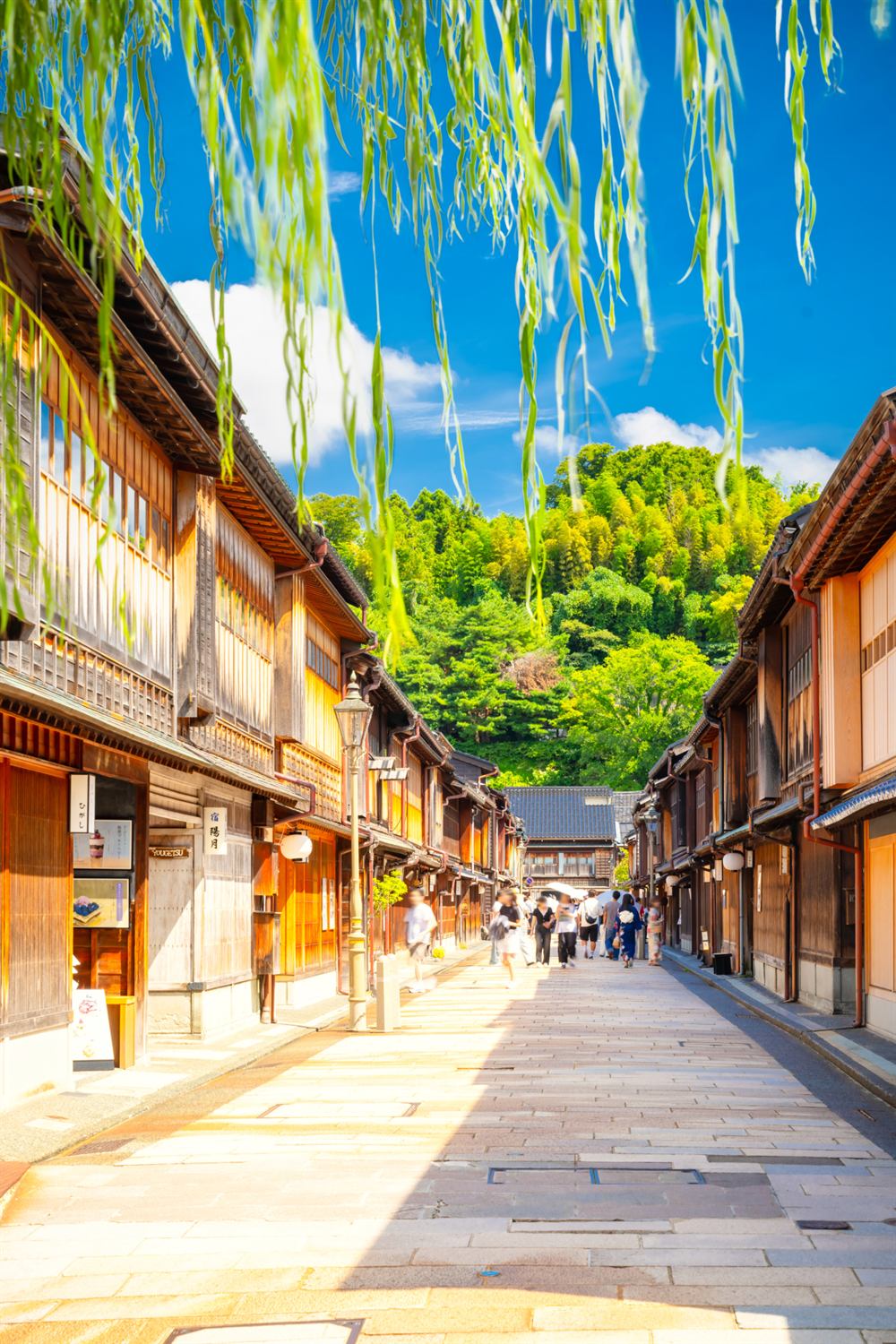
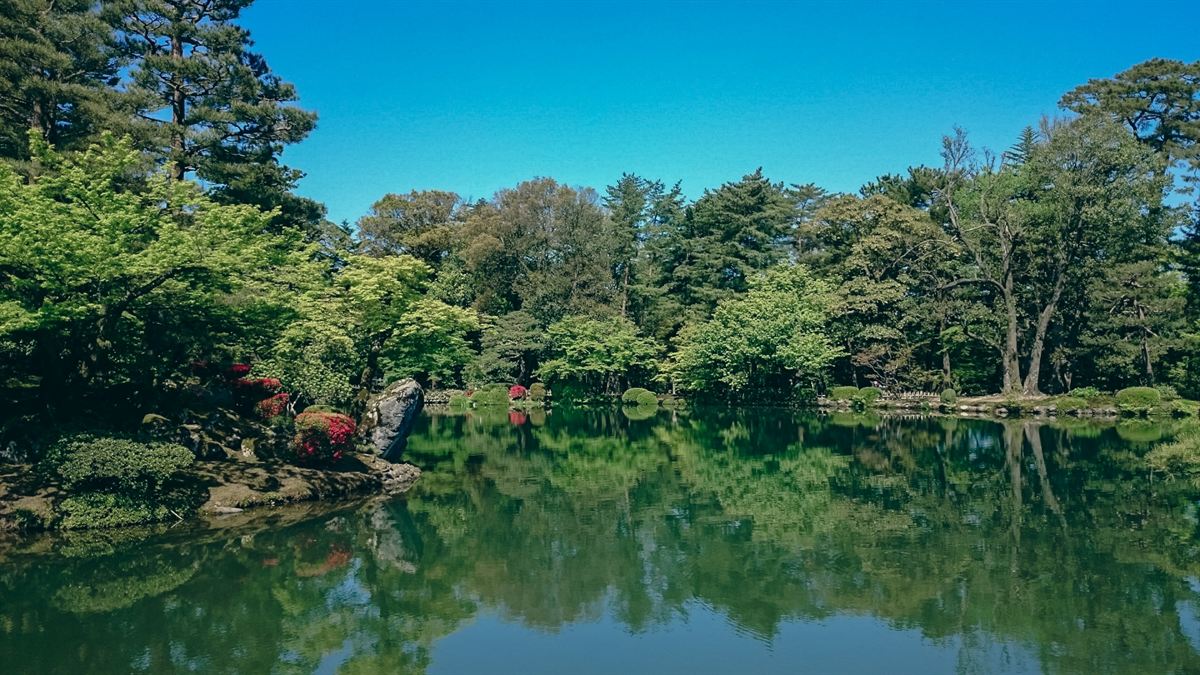
Kanazawa station sits a short bus ride from the old centre, and two half-days covers the main sights. Start with Kenrokuen Garden, then eat your way through Omicho Market — the city’s fish market, and the reason people talk about Kanazawa’s food.
Kanazawa also pairs naturally with the mountains inland. The bus route through the thatched village is covered in our guide to the bus from Takayama to Shirakawa-go, and if you are continuing over the pass, two days in Hida-Takayama sets out how to time that side of the trip.
2 hours 24 minutes on the fastest Kagayaki service, under the timetable that took effect on 14 March 2026. Trains that stop more often take longer, so check the schedule for your departure.
14,400 JPY one way for a reserved seat in the normal season, bought as the online Shinkansen e-ticket. Unreserved seats, where the service has them, are listed at 14,070 JPY.
Not for a simple return from Tokyo, which costs about 28,800 JPY against the pass’s 35,000 JPY. It pays when you carry on to Kyoto or Osaka, or add stops in Toyama and Fukui within the seven days.
Book the seat the day your dates are fixed, do the pass sum before you buy, and the rest of this trip is the easy part.
Last updated: October 2026. Fares, pass prices and timetables change at each revision, and the detailed terms are published in Japanese. We check each figure against JR’s own pages, but please confirm before you travel.
Omicho Market in Kanazawa is a lively and iconic spot, bustl……
Kanazawa, located in Ishikawa Prefecture, is a city brimming……
If you are planning a trip to Japan and have a love for cont……
Admission is 320 yen, but the garden is free every morning b……


