

- 2024-08-12
Hakone: Must-Visit Classic Spots – 20 Recommendations
Hakone, known as a bustling post town during the Edo period ……
The Hakone Free Pass(箱根フリーパス)is the ticket almost every guide tells you to buy before going to Hakone (箱根). It is genuinely good value for one kind of trip and a waste of money for another, and the difference comes down to whether you intend to ride the loop or just soak in an onsen.
This guide covers what the pass actually includes, what it costs from each starting station, the two conditions that catch visitors out, and how to tell in advance which side of the line your trip falls on.
| Pass | Hakone Free Pass(箱根フリーパス), issued by Odakyu |
| Valid for | 2 days or 3 days |
| From Shinjuku | 7,100 JPY for 2 days, 7,500 JPY for 3 days (child 1,600 and 1,850 JPY) |
| From Odawara or Hakone-Yumoto | 6,000 JPY for 2 days, 6,400 JPY for 3 days (child 1,500 and 1,750 JPY) |
| Covers | Eight operators inside Hakone, plus one return trip on the Odakyu line from your start station |
| Romancecar | Not included; the limited express supplement is extra |
| Also gives | Discounts at about 70 museums, onsen and attractions |
| Where to buy | Odakyu station machines and counters, Seven-Eleven, or digitally in the EMot app |
| Official site | Odakyu, Hakone Free Pass |
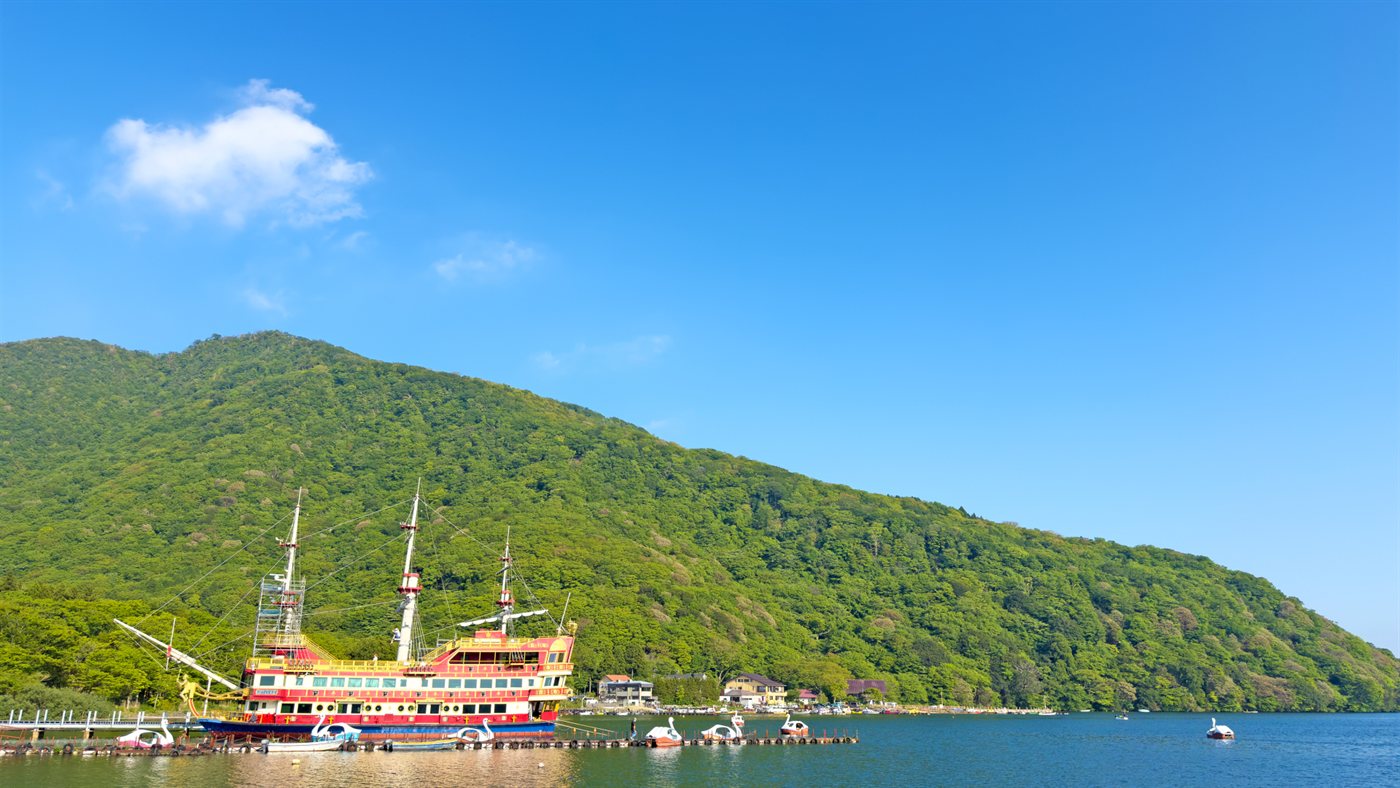
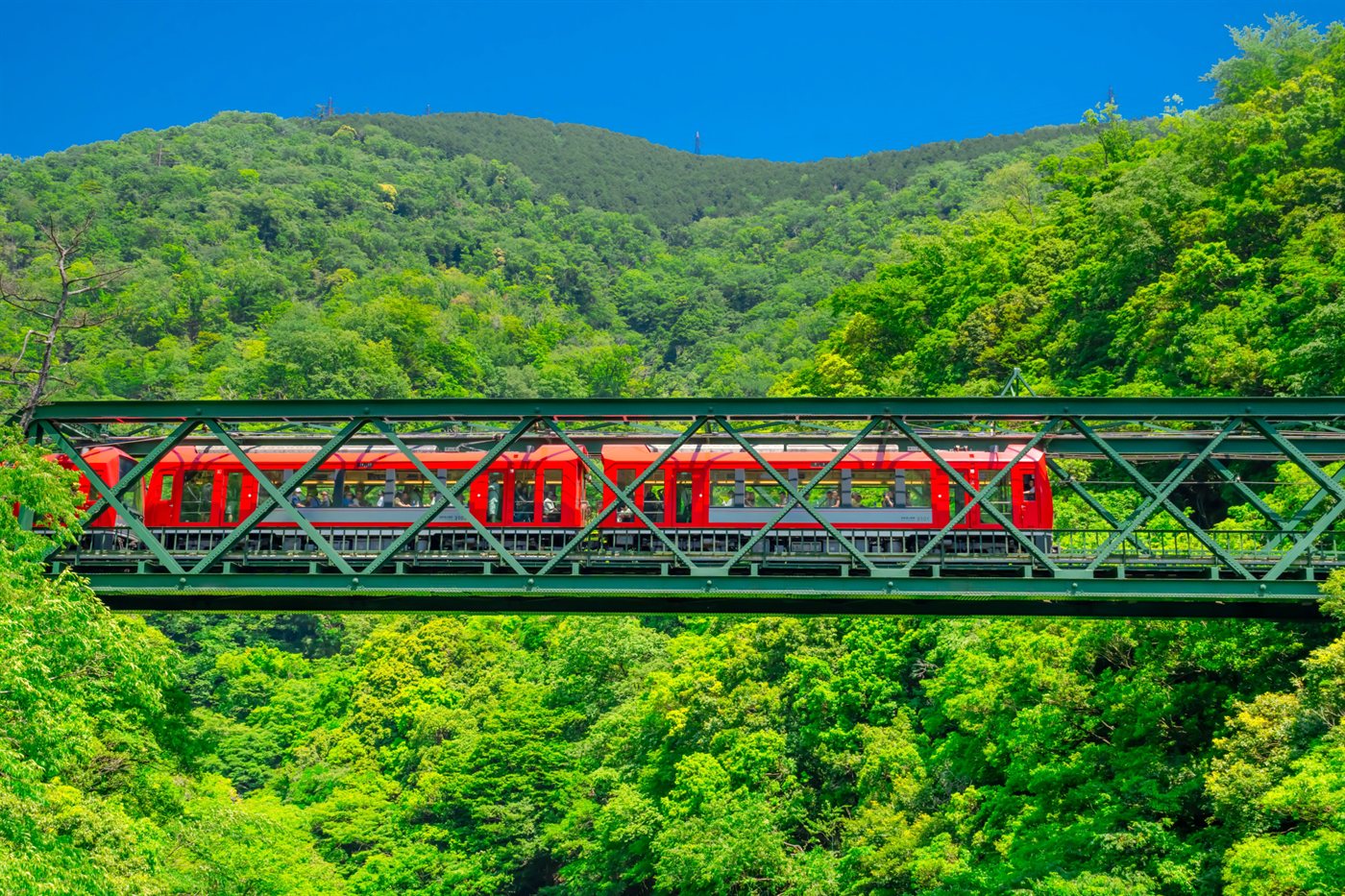
Inside Hakone the pass is a genuine free ride on eight services, which between them make up the famous circuit around the caldera:
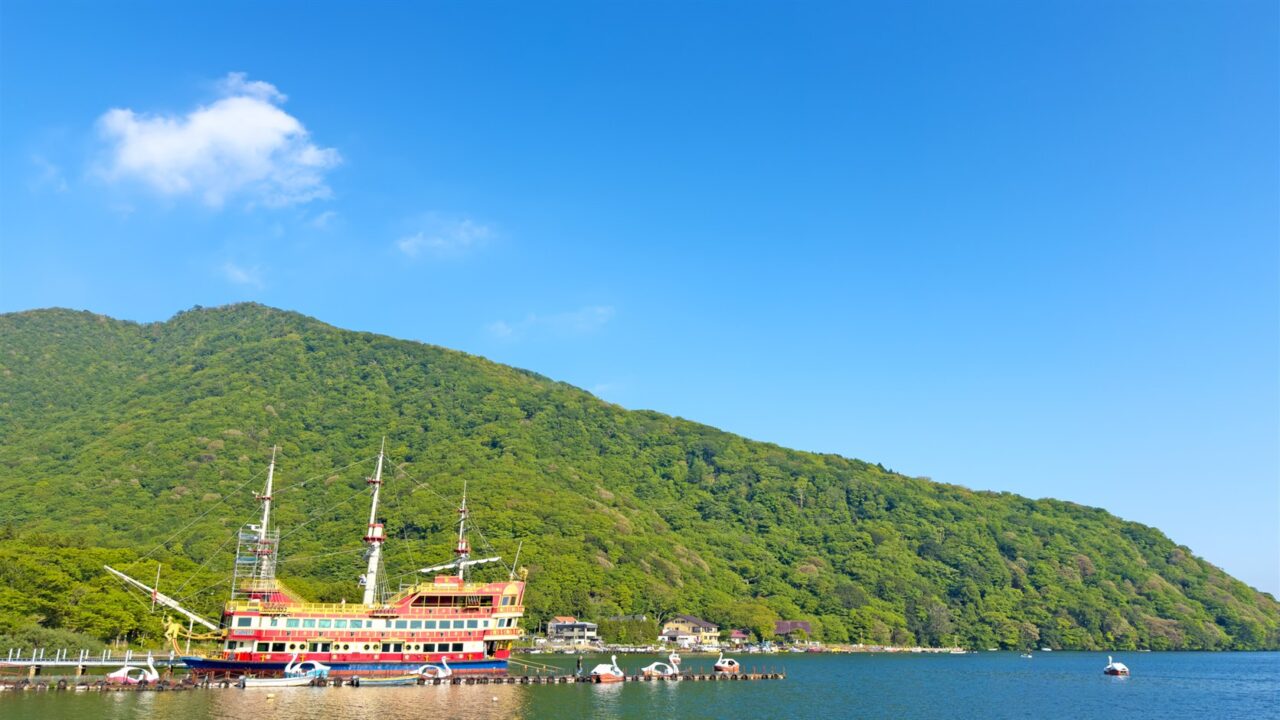
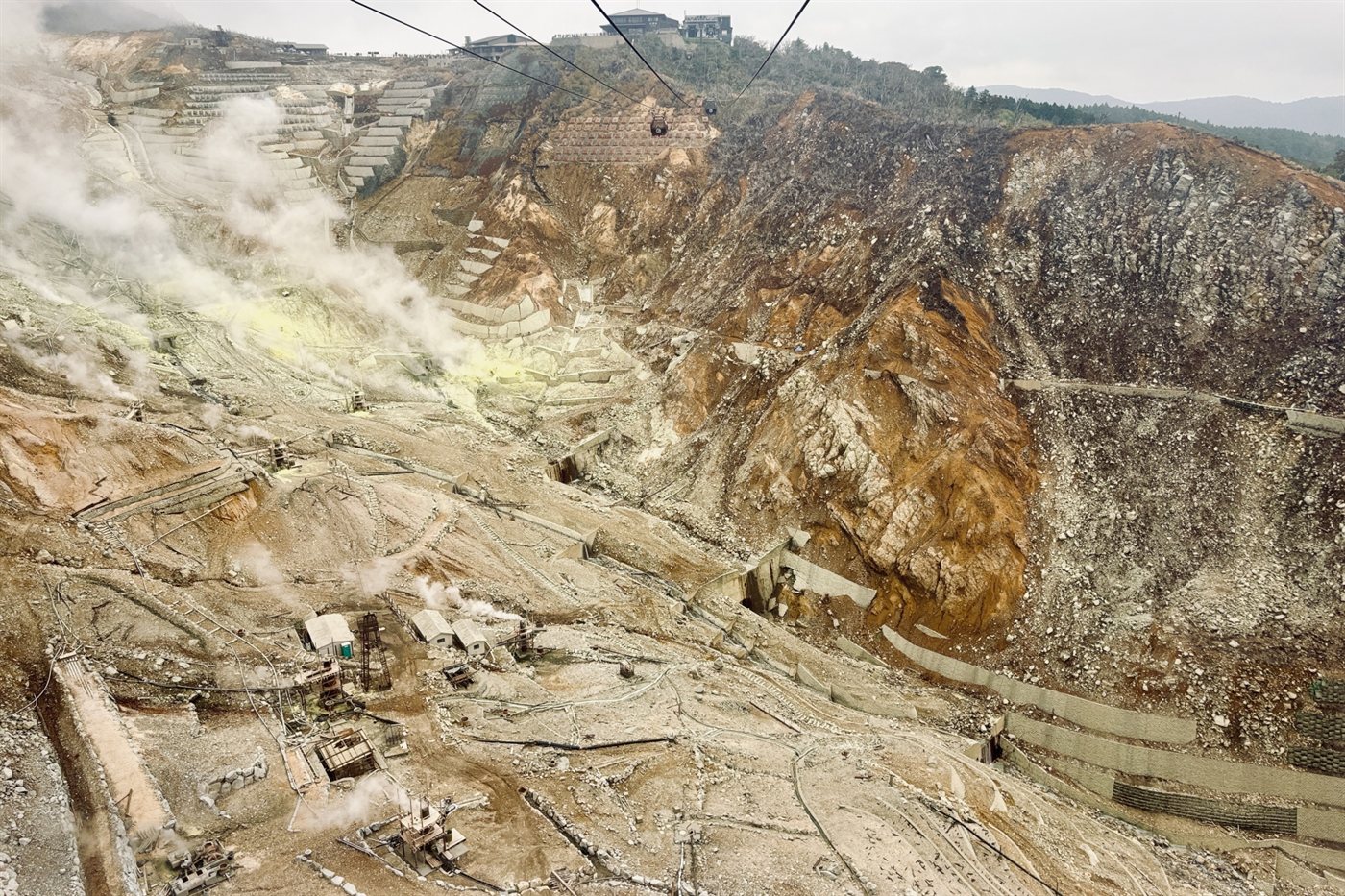
That is the point of the pass. The standard Hakone day is a loop — train up to Gora, cable car, ropeway over the volcanic valley at Owakudani, pirate ship across Lake Ashi, bus back — and each of those legs is a separate ticket if you pay as you go.
The Odakyu line is one return trip, not unlimited. From Shinjuku the pass gives you a single round trip to Odawara. It is not a commuter pass for hopping in and out of Tokyo during your stay.
The Romancecar is extra. Odakyu’s reserved limited express is the comfortable way to reach Hakone from Shinjuku, and the pass does not include the limited express supplement. If you want that train, you buy the supplement on top of the pass. The ordinary express trains are covered, and they are slower and busier.
One more exclusion worth knowing: the pass is not valid on the scheduled sightseeing coaches, only on the ordinary services listed above.
The buses are covered only inside the designated area. Hakone Tozan Bus and Tokai Bus are free rides within the zone Odakyu sets out, not across the whole region, so a trip that runs out towards Gotemba or down the coast can take you beyond the pass without warning. If your hotel is outside the usual circuit, check that its nearest stop sits inside the zone before you rely on the pass to get there in the evening.
| Your plan | Verdict |
| The full loop: mountain train, cable car, ropeway, pirate ship, bus | Buy it. The pass is built for exactly this day, and each leg would otherwise be its own ticket |
| Two days with the loop plus museums | Buy it, and use the discount list at the roughly 70 participating spots |
| One night at a Hakone-Yumoto onsen, no sightseeing | Skip it. You are paying for a circuit you will not ride |
| Arriving by shinkansen to Odawara | Buy the Odawara version at 6,000 JPY, not the Shinjuku one |
| Staying three nights and going in and out of Tokyo | Skip it, or treat it as a two-day ticket for the sightseeing days only |
You have more options than the queue at Shinjuku suggests. The pass is sold at ticket machines and counters at Odakyu stations, at the Odakyu Travel Service Centre, at stations around Hakone including Gotemba and Mishima, at Seven-Eleven stores through their ticket service, and digitally through the EMot app and the EMot online ticket site.
The digital version is the practical choice for visitors: you buy it before you travel and show your phone at the gates, which avoids the morning queue at the Shinjuku counter. Note that the start-station price applies, so buy the version that matches where you will actually begin.
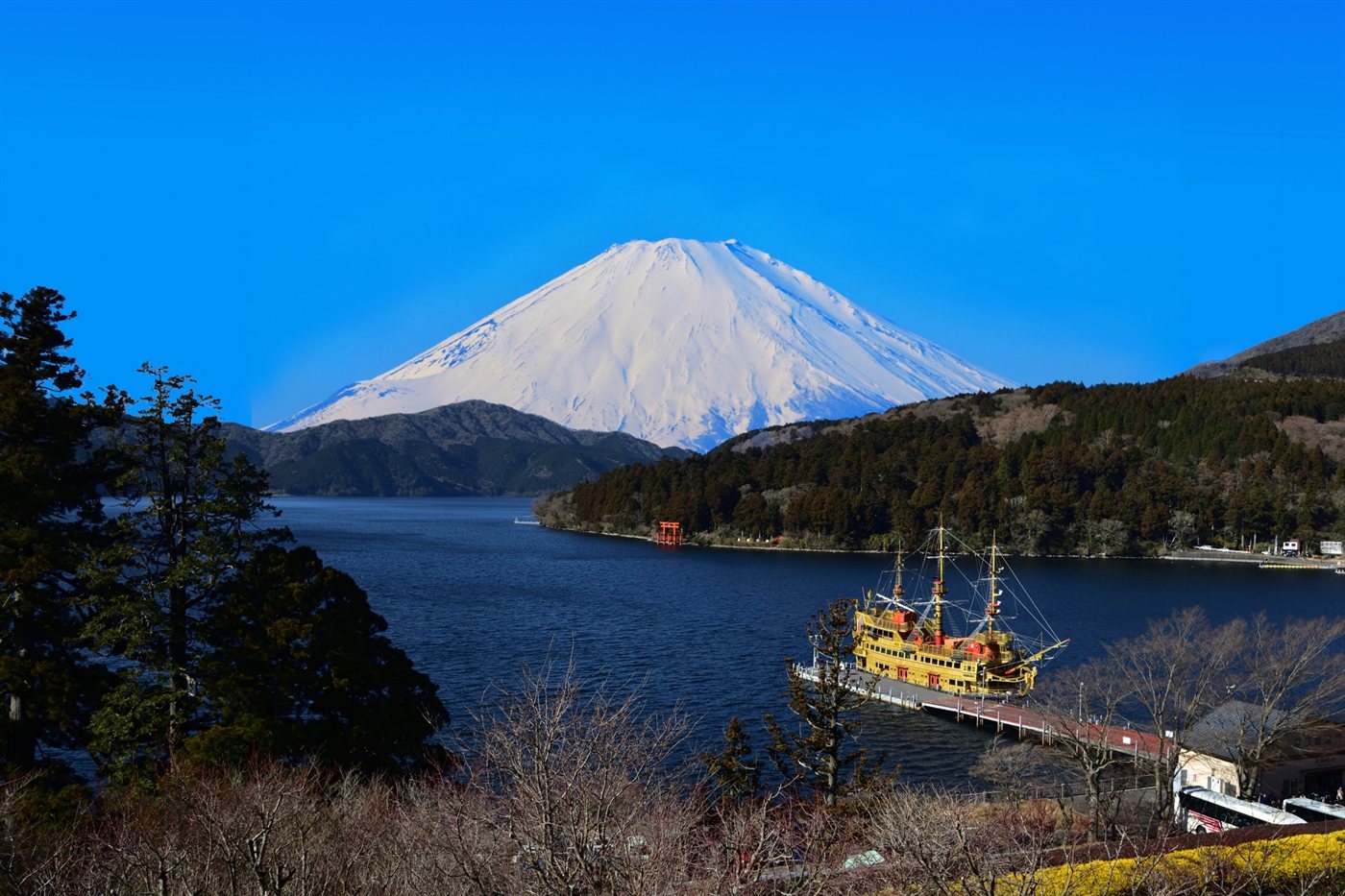
The loop passes the volcanic valley at Owakudani, and our guide to Owakudani explains what you can see there and when it closes. Lake Ashi is also where the lakeside shrine stands, covered in our guide to Hakone Shrine and Kuzuryu Shrine.
For the rest of the area, including the open-air museums and the old checkpoint, start with our Hakone travel guide.
No. The pass covers the ordinary Odakyu trains for one return trip, and the Romancecar needs a separate limited express ticket on top.
There is no one-day version. The shortest is two days, so a single-day visitor doing the full loop should compare the two-day price against the individual fares for the legs they will actually ride.
Yes. Passes are sold at stations around Hakone, including Hakone-Yumoto, Gotemba and Mishima, at the lower local price that excludes the trip from Tokyo.
In short: if your Hakone day is the circuit, buy the pass and start from the station that matches your route. If it is a quiet night in an onsen town, keep the money and pay as you go.
Last updated: October 2026. Prices, coverage and operating conditions change, and the official information is published in Japanese. We check each figure against Odakyu, but please confirm before you buy.
Hakone, known as a bustling post town during the Edo period ……
Owakudani, located in the scenic Hakone area of Japan, offer……
Kamakura, a city steeped in history and culture, is one of t……
Hakone Shrine, located on the shores of Lake Ashi, is one of……


